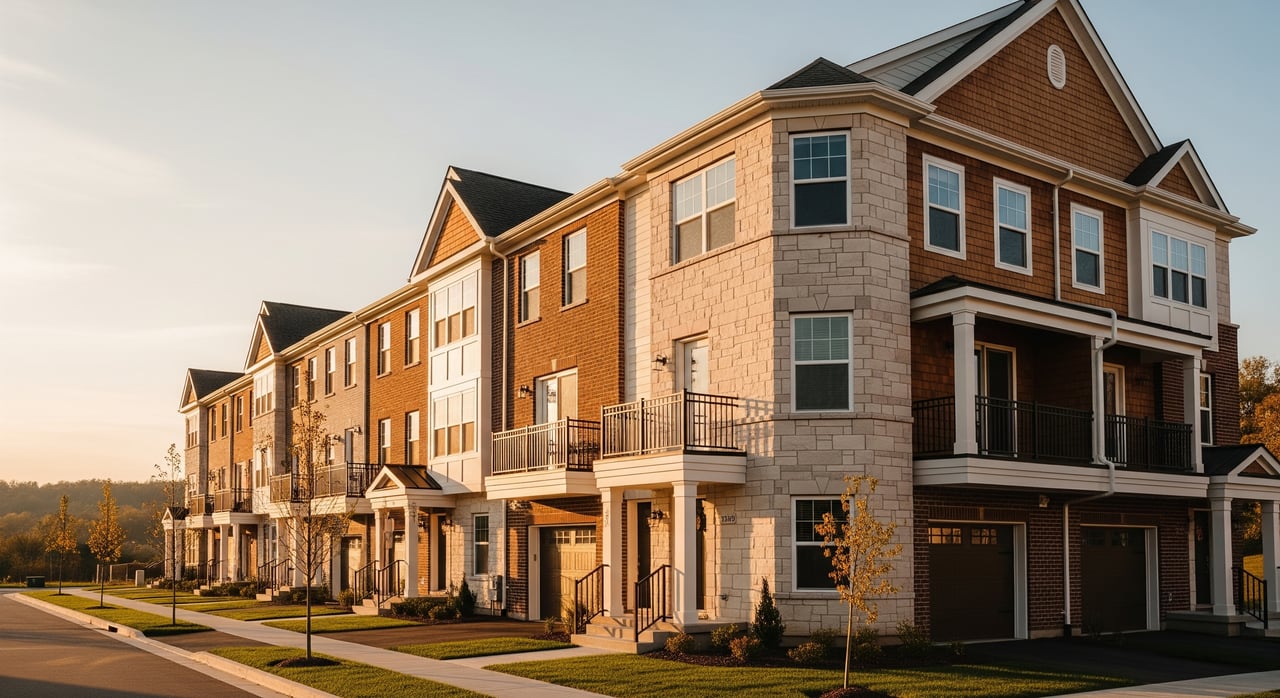
Wondering if a Cranberry Township townhome is a smart move for your portfolio? You want lower-maintenance ownership, steady demand, and clear numbers before you commit. In this guide, you’ll learn how to evaluate Cranberry townhomes, what to watch in HOA communities, and which local factors influence returns. You’ll also get a practical due-diligence checklist you can use before you write an offer. Let’s dive in.
Why Cranberry townhomes draw investors
Cranberry Township is a high-growth suburb north of Pittsburgh with direct access to major corridors like I-79. That location, along with ongoing commercial development and established amenities, supports long-term housing demand. Townhomes often appeal to first-time buyers, young professionals, and downsizers who want less exterior upkeep.
For you as an investor, that buyer and renter profile can translate into resilient demand. Many townhome communities include HOA-covered exterior maintenance, snow removal, or landscaping, which can simplify operations. Cranberry is served by the Seneca Valley School District, which shapes household preferences in a neutral way for families. To keep tabs on community projects and planning activity, review Cranberry Township planning and development.
What to evaluate before you buy
Run the cash flow math
Start with a simple monthly equation:
- Gross rent
- Minus vacancy allowance
- Minus operating expenses: property taxes, insurance, HOA dues, utilities you pay, maintenance, and property management if used
- Equals Net Operating Income (NOI)
Key formulas to guide your decision:
- Cap rate = NOI divided by purchase price
- Cash-on-cash return = Annual pre-tax cash flow divided by total cash invested
- Gross rent multiplier = Purchase price divided by annual gross rent
- DSCR = NOI divided by annual debt service
Verify HOA health and rules
HOA strength can make or break your returns. Request and review:
- Current-year budget, reserve study, and last 12 to 24 months of meeting minutes
- Rental policies, including minimum lease term and any investor caps
- History of special assessments and delinquency rates
- Litigation disclosures and insurance coverage for the association
High dues can be offset if they cover big-ticket items. The bigger risk is weak reserves or frequent assessments. A contract-savvy review helps you spot red flags early.
Confirm demand, rents, and competition
Pull townhome-specific comps within a 1 to 3 mile radius and along key commute routes. Compare days on market, price per square foot, and finish level. For rent estimates, match bedrooms, baths, parking, and updates to current listings and speak with two or three local property managers for vacancy and expense assumptions. Cross-check against household and population trends from the U.S. Census Bureau and employment data from the Bureau of Labor Statistics.
Financing for townhomes
Most townhomes qualify for conventional or portfolio loans. Some lenders treat certain developments like condos if there are shared elements, which can change underwriting and program options. If you plan to use FHA or VA, confirm whether the specific community meets the lender’s project standards. Also ask whether investor concentration in the HOA affects eligibility.
Taxes, insurance, and maintenance
Factor in Butler County property taxes, a landlord policy with loss-of-rent coverage, and any owner-paid utilities. Many investors use a conservative starting point for maintenance, then adjust based on age, systems, and build quality. Include an allowance for vacancy, even in desirable areas. For tax and record research, the Butler County property and tax offices are a helpful reference.
Local factors that influence returns
Location and commuting
Cranberry’s access to I-79 and regional arterials supports both owner-occupant and renter demand. Commuting patterns into Pittsburgh and nearby employment nodes are a core driver. Confirm typical drive times during rush hours and weigh that against the amenities in each subdivision.
Employment and amenities
Employment stability is a key input for long-term housing demand. Track regional job trends through the Bureau of Labor Statistics and monitor new business and infrastructure activity through township updates. Parks, healthcare access, and retail choices round out the lifestyle profile that drives owner and renter interest. You can review current projects on the Cranberry Township website.
Schools and household mix
Household size, age distribution, and family versus nonfamily shares shape who rents or buys townhomes. Review neutral, data-based trends from the U.S. Census Bureau. Use this to align your target unit type and finishes with likely demand in Cranberry.
Risks to watch in Cranberry
Oversupply and new builds
A large pipeline of new townhomes can slow rent growth and appreciation. Check building permits, active subdivisions, and builder announcements through township planning and local news. Compare new construction incentives to resale pricing to understand competition.
Resale and exit strategy
If you plan a shorter hold, weigh potential price competition from new construction. For longer holds, confirm that HOA rules allow renting and that the community’s owner-occupant to investor mix will not jeopardize future financing. Plan at least a 3 to 5 year horizon to ride out market cycles.
Short-term rental and leasing limits
Verify local ordinances and HOA policies before you assume short-term rental income. Some developments limit leasing or require a minimum term. Start with the township code and your HOA’s rules. When in doubt, get answers in writing from the association manager.
Environmental checks
Use the FEMA Flood Map Service Center to confirm whether a property sits in a flood zone. Ask about sewer or septic systems and any known stormwater or slope issues. These items affect insurance costs and long-term maintenance.
Step-by-step due diligence checklist
- Pull 6 to 12 months of townhome comps plus active listings for your specific subdivision and nearby, matched by size and finish.
- Validate market rent with current listings and two to three property manager interviews. Record expected vacancy, management fees, and typical repair costs.
- Request HOA documents: budget, reserve study, minutes, rental policy, insurance certificate, assessment history, and delinquency report.
- Get a preliminary title report, including any shared-maintenance agreements or easements.
- Retrieve the current property tax bill and assessment history. Confirm homestead status if relevant to future owner-occupants.
- Order an inspection focused on structure, roof, mechanicals, and water management. Review age and condition of major systems.
- Ask two lenders about loan programs for the specific community, investor concentration limits, and projected debt service.
- Confirm permits and code compliance with township staff. Monitor new development that could add supply in the next 12 to 24 months.
- Obtain a landlord insurance quote that includes loss-of-rent coverage and verifies HOA master policy scope.
- If buying an occupied unit, study the rent roll, deposits, lease terms, and payment history.
For permits and development pipeline, check the Cranberry Township website. For taxes and records, start at the Butler County property and tax offices.
Is a Cranberry townhome right for you?
If you want a relatively hands-off asset with suburban appeal, a Cranberry townhome can work well as a long-term hold. The key is disciplined underwriting and thorough HOA due diligence. For a short-term flip, compare your exit price to competing new builds and factor in any incentives they may offer.
If you would like help pulling townhome comps, modeling cash flow, and reviewing HOA documents line by line, connect with Kelly Cheponis. You will get local insight, contract-level protection, and a clear plan for your next step.
FAQs
Are Cranberry townhomes easier to manage than single-family rentals?
- Often yes for exterior items if the HOA covers landscaping and snow removal, but HOA fees and rules can reduce returns, so review documents before you buy.
Do Cranberry townhomes appreciate like single-family homes?
- Appreciation depends on supply, demand, and new construction in the area; compare townhome and single-family trends using recent MLS data before deciding.
What hidden costs should I expect with a townhome?
- Common surprises include HOA special assessments, higher insurance than expected, deferred maintenance inside the unit, and vacancy during turnovers.
Can I finance a Cranberry townhome as an investment property?
- Usually yes with conventional or portfolio loans, but terms vary by lender and community; confirm whether the development is treated like a condo and any investor caps.
Are short-term rentals allowed in Cranberry townhome communities?
- Rules vary by HOA and township; many communities require a minimum lease term, so verify local ordinances and association policies in writing before you buy.