Shopping for a custom home on acreage in Gibsonia can feel exciting right up until the details start to matter. A long driveway, wooded views, and extra land may look perfect on paper, but the real value often comes down to parcel lines, utility service, permits, and township rules. If you want space without surprises, this guide will help you focus on the questions that matter most before you make an offer. Let’s dive in.
Why Gibsonia buyers need extra diligence
Gibsonia sits in an upper-mid-range segment of the Allegheny County market, with Zillow reporting an average home value of $478,262 as of April 30, 2026, 73 homes for sale, a median list price of $460,800, and a median days to pending of 9. In a market moving this quickly, premium homes with acreage, custom finishes, and privacy features can price far above the local median. That makes careful verification especially important.
One of the biggest buyer mistakes is assuming a Gibsonia mailing address tells you everything you need to know. It does not. For custom homes and large lots, you should verify the actual parcel and municipality because rules, permit offices, and utility providers can differ depending on whether the property is in Richland Township or Hampton Township.
What custom homes in Gibsonia often include
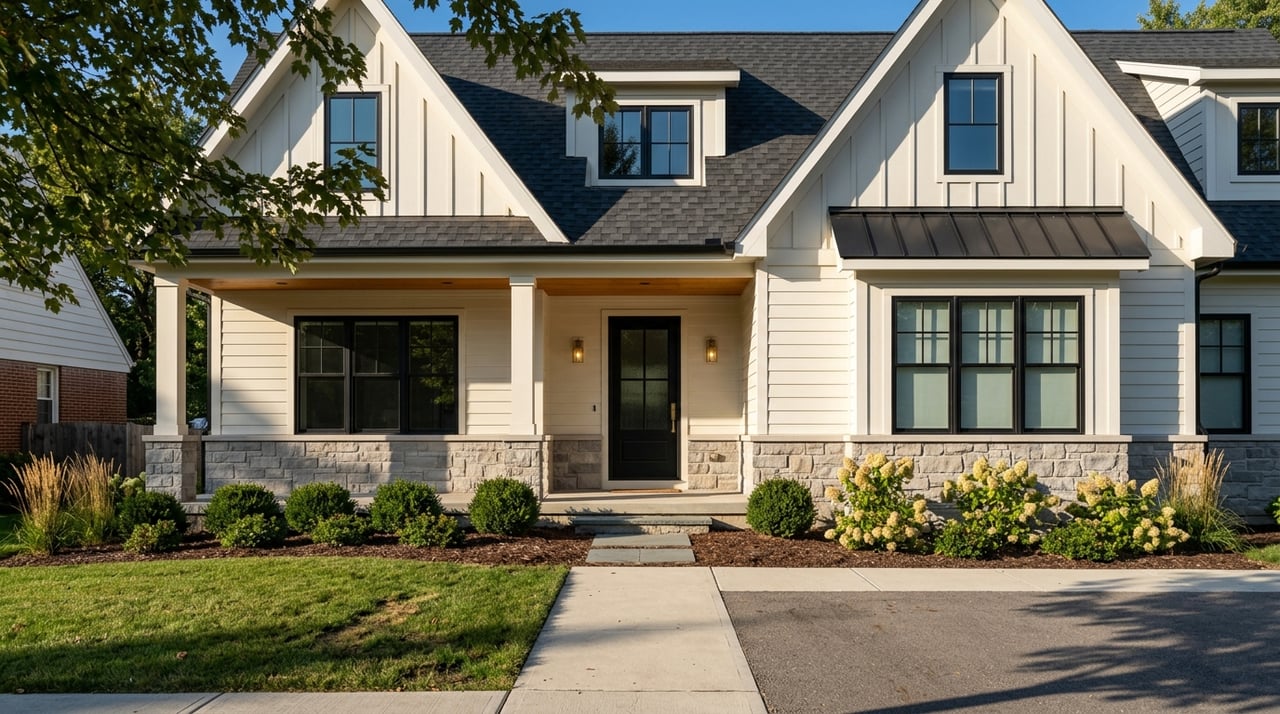
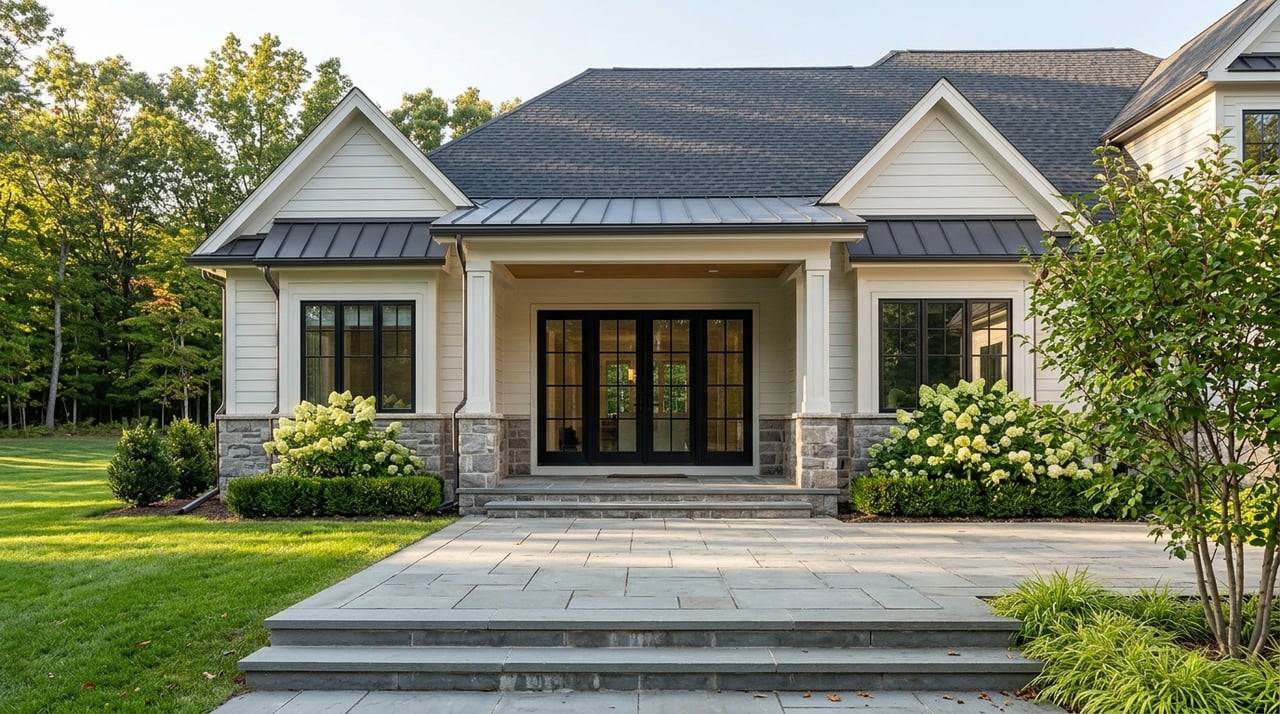
In this part of the market, you are usually buying more than square footage. Public listings show a wide mix of property styles, including French Provincial estates on nearly 2 acres, custom homes on 3-acre cul-de-sac lots, brick ranch homes on 9+ acres, contemporary homes on 4.4 private acres, and estate properties on 8+ acres. Some listings also include extra land described as potentially buildable.
The lot appeal is often centered on privacy and flexibility. You will commonly see mature trees, wooded settings, long driveways, cul-de-sac locations, pond or creek views, and usable acreage featured in listing descriptions. These are meaningful benefits, but they also raise practical questions about access, drainage, stormwater, and future improvement options.
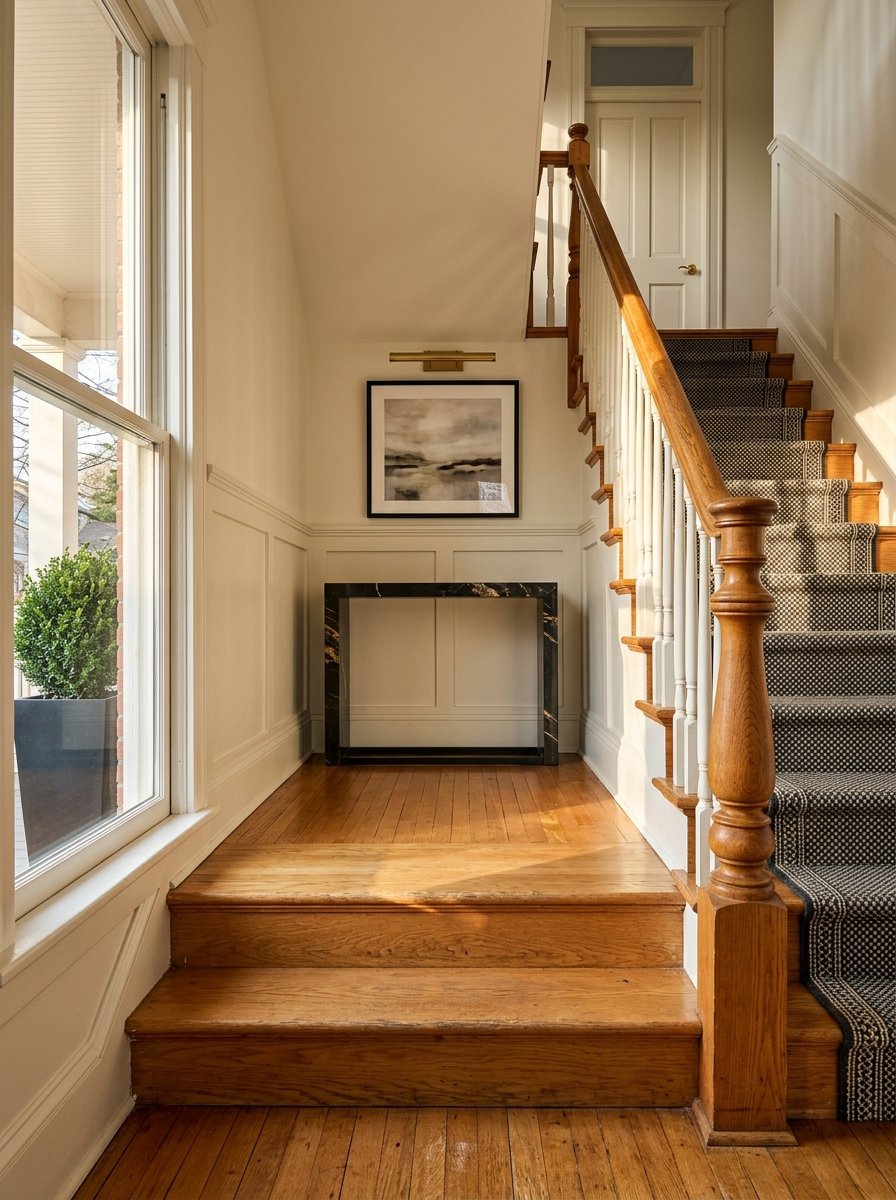
Inside the homes, the selling points tend to reflect craftsmanship and lifestyle. Terms like custom built, one-owner, gourmet kitchen, butler’s pantry, walk-out lower level, three-season room, in-law suite, multi-car garage, and model home appear often in this segment. In other words, your decision should balance both the home itself and the land that comes with it.
Verify the parcel before you fall in love
When you are buying a larger-lot property, parcel-level review matters. Allegheny County’s GIS resources can help display parcel information, and Richland Township provides map layers showing parcel, zoning, and sanitary sewer data. Still, Richland also states that its GIS layers are not a legal description.
That means online maps are a useful starting point, not the final answer. Before you move forward, confirm the parcel boundaries, municipality, zoning context, and utility setup using the property records and supporting documents tied to that specific lot. This step can help you avoid surprises later in the transaction.
Check surveys, boundaries, and easements
On a custom home with acreage, a survey is one of the most important documents to review. A survey helps show the lot, home, structures, and other improvements, and it can also reveal boundaries, setbacks, easements, and possible encroachments. That is especially important if the property includes a detached garage, pool, long driveway, or extra outbuildings.
The practical question is not just how large the parcel is. You also need to know where the actual lot lines sit, whether any easements affect use, and how much of the site is truly usable. If a property includes extra land or unusual site features, this review becomes even more important.
Confirm water and sewer service early
Utility service is not the same across all Gibsonia-addressed homes. In Richland Township, public water is handled by the Richland Township Water Authority, and sewer is handled by the Richland Township Sewer Department for homes that are not on on-lot septic. In Hampton Township, water is served by the Hampton Shaler Water Authority, while sanitary sewage is typically handled by Hampton Township’s Environmental Services Department, though some homes may be served by on-lot septic or another authority.
That is why buyers should ask a clear, direct question early in the process: is the home on public water and public sewer, private well, septic, or some combination? The answer affects maintenance, inspections, future improvement plans, and sometimes development potential for extra acreage.
If the property has a private well
Pennsylvania DEP states that private homeowner wells are not regulated by the state, and the owner is responsible for water safety. Pennsylvania Department of Health materials recommend regular testing, with annual testing being a smart baseline.
For you as a buyer, that means well records, water-testing history, and maintenance details should be part of your due diligence. A private well is not automatically a problem, but it should come with documentation and a clear understanding of ongoing care.
If the property has septic
For on-lot septic systems, Pennsylvania DEP says permitting and enforcement are largely handled at the local-agency level. Buyers should ask for permits, inspection records, maintenance history, and any known issues.
You should also ask whether there are any reserve-area limitations or past malfunctions. On a large lot, it is easy to assume there is endless flexibility, but septic placement and related approvals can still affect how the land may be used.
Review permits for existing improvements
Custom homes on large lots often come with improvements beyond the main house. Think detached garages, sheds, decks, pools, fences, patios, driveway expansions, grading work, and accessory structures. In both Richland and Hampton, these kinds of projects can require permits and approvals.
Richland requires building and zoning permits for new homes, additions, accessory structures, decks, pools, new electrical service, solar and generator work, and more. Richland also requires driveway permits, grading permits in certain cases, and a stormwater BMP for projects that increase the building footprint by 800 square feet or more. Hampton also requires approved permits before construction and maintains separate applications for new construction, additions, accessory structures, pools and spas, earth disturbance, sanitary sewer connection, and certificates of occupancy.
If the seller has already made major improvements, ask whether they were permitted and inspected where required. This is one of the simplest ways to reduce risk before closing.
Do not assume acreage means total freedom
Large lots can create more options, but they do not remove zoning or placement limits. Richland’s accessory-structure setback language and Hampton’s setback table both show that lot coverage and structure placement still matter, even when a parcel feels expansive.
If you already picture adding a pool, a guest area, a detached garage, or a new driveway layout, check the rules before you commit. The size of the parcel is only part of the story. The usable build area may be narrower than you expect once setbacks, easements, stormwater needs, and access are considered.
Ask about HOA and deed restrictions
Some buyers assume that estate-style homes or larger lots automatically mean no HOA. That is not always true. In planned subdivisions or communities with shared services, HOA dues and rules may still apply.
In fact, HOA fees can appear even in Gibsonia’s premium segment. A current listing example at 711 Parkview Dr shows a $42 per month HOA. Before you buy, ask for the association rules, fee schedule, and any special-assessment history so you understand whether there are limits on exterior changes, accessory structures, or other property uses.
Be careful with “buildable acreage” claims
If a listing suggests that extra land may be buildable, treat that as a starting point rather than a guarantee. Richland requires both township and county application packages for land developments and subdivisions, and Hampton has similar zoning and subdivision approval layers.
This matters most when a property is marketed with future flexibility in mind. A parcel may include extra acreage, but that does not mean it can automatically be split, developed, or improved the way a buyer hopes. Zoning, access, water, sewer, stormwater, and subdivision approvals can all affect the answer.
Watch for drainage and flood questions
On private, scenic lots, water features and low areas can be part of the appeal. They can also create practical concerns. If a property is near a creek, drainage swale, pond area, or low-lying section of land, ask about drainage conditions and whether stormwater management has been an issue.
This is especially important before closing. A beautiful setting should also work well in heavy rain and during seasonal changes, so ask these questions early rather than after inspections are complete.
Smart documents to review before closing
Before closing on a custom home or large-lot property in Gibsonia, make sure your review goes beyond the standard basics. These homes often have more moving parts, and the paperwork should reflect that.
A strong document review may include:
- Survey or boundary documentation
- Utility confirmations for water and sewer service
- Well records and water-testing history, if applicable
- Septic permits, inspection records, and maintenance history, if applicable
- HOA documents, dues, and special-assessment history, if applicable
- Permit records for additions, pools, garages, decks, grading, and driveway work
- Seller disclosures related to drainage, stormwater, or flood concerns
- Deed and closing documents reviewed in advance
What this means for your home search
The right Gibsonia custom home can offer privacy, flexibility, and features that are hard to find in a more typical suburban property. But in this segment, the land details matter just as much as the finishes. The difference between a smooth purchase and an expensive surprise often comes down to the questions you ask before making an offer.
If you are considering a custom home or large-lot property in Gibsonia, a careful, contract-focused approach can help you buy with more clarity and confidence. When you want experienced guidance on homes with acreage, custom features, and more complex due diligence, connect with Kelly Cheponis.
FAQs
What should buyers verify first on a Gibsonia custom home?
- Start by confirming the parcel, municipality, and utility setup because a Gibsonia mailing address alone does not tell you which township rules, permit office, or service providers apply.
What utilities should buyers check on a large-lot property in Gibsonia?
- Ask whether the home is served by public water, public sewer, private well, septic, or a combination, since service can vary by property and township.
Why is a survey important for Gibsonia acreage properties?
- A survey helps show boundaries, setbacks, easements, and possible encroachments, which is especially important when the property has extra land, outbuildings, a pool, or a long driveway.
Do Gibsonia homes with acreage ever have HOA fees?
- Yes, some estate-style or planned-community properties can still have HOA dues and rules, so you should request the fee schedule, restrictions, and any special-assessment history.
Can buyers assume extra acreage in Gibsonia is buildable?
- No, extra land may still be limited by zoning, subdivision rules, access, utility availability, stormwater requirements, and approval processes.
What permit issues should buyers review on a custom home in Gibsonia?
- Buyers should ask whether major improvements like pools, garages, additions, decks, driveways, grading work, and accessory structures were properly permitted and inspected where required.