If you are getting ready to sell a high-end home in Gibsonia, preparation can shape both your first impression and your final result. In a market where buyers often start with photos and move quickly when the right property appears, small details can influence how your home is perceived from day one. This guide walks you through how to prepare a luxury home for market in Gibsonia with a focus on presentation, paperwork, and a well-timed launch. Let’s dive in.
Why prep matters in Gibsonia
Gibsonia is not a one-size-fits-all market. According to Census Reporter data for Gibsonia, the area has a median owner-occupied home value of $347,900, a median household income of $139,226, and a high share of adults with a bachelor’s degree or higher. Those numbers point to a market where many buyers expect a polished presentation and clear information before they make a move.
Recent housing portal snapshots also suggest buyers are active. Realtor.com’s Gibsonia market overview reports a median home sale price of $450,000 and median days on market of 36, while Zillow data cited in the same research places typical value around the mid-$400,000s with homes pending in about 22 days. The exact number can vary by source, but the message is consistent: your launch needs to be ready before the listing goes live.
Start with a pre-market game plan
A luxury sale should not begin with rushed photos and last-minute touch-ups. It should begin with a plan that covers condition, staging, documents, and media in the right order. When each piece is handled before launch, you reduce buyer uncertainty and create a cleaner path from showings to offers.
For a high-end Gibsonia home, that means thinking beyond basic cleaning. You want every step to support value, minimize distractions, and make it easier for buyers to understand what makes your property special.
Focus on timing first
In a faster-moving market, preparation is part of pricing strategy. If you go live before repairs are finished or before the home is fully staged and photographed, you may waste your strongest early interest. A premium listing often performs best when the home is fully ready for the public debut.
That includes completing improvements, confirming paperwork, and scheduling media in advance. Your online gallery is often the first showing, so it pays to treat launch day like a coordinated marketing event.
Prioritize the right staging work
Staging is not about making your home look generic. It is about helping buyers see the space, the scale, and the lifestyle the home offers. The National Association of Realtors 2025 staging survey found that 83% of buyer’s agents said staging makes it easier for buyers to visualize a property as a future home.
The same report found the most important rooms to stage are:
- Living room
- Primary bedroom
- Kitchen
For a luxury home in Gibsonia, those areas often carry even more weight. Buyers are usually watching for layout, finishes, natural light, and how the home flows from one major living area to the next.
Reduce visual noise
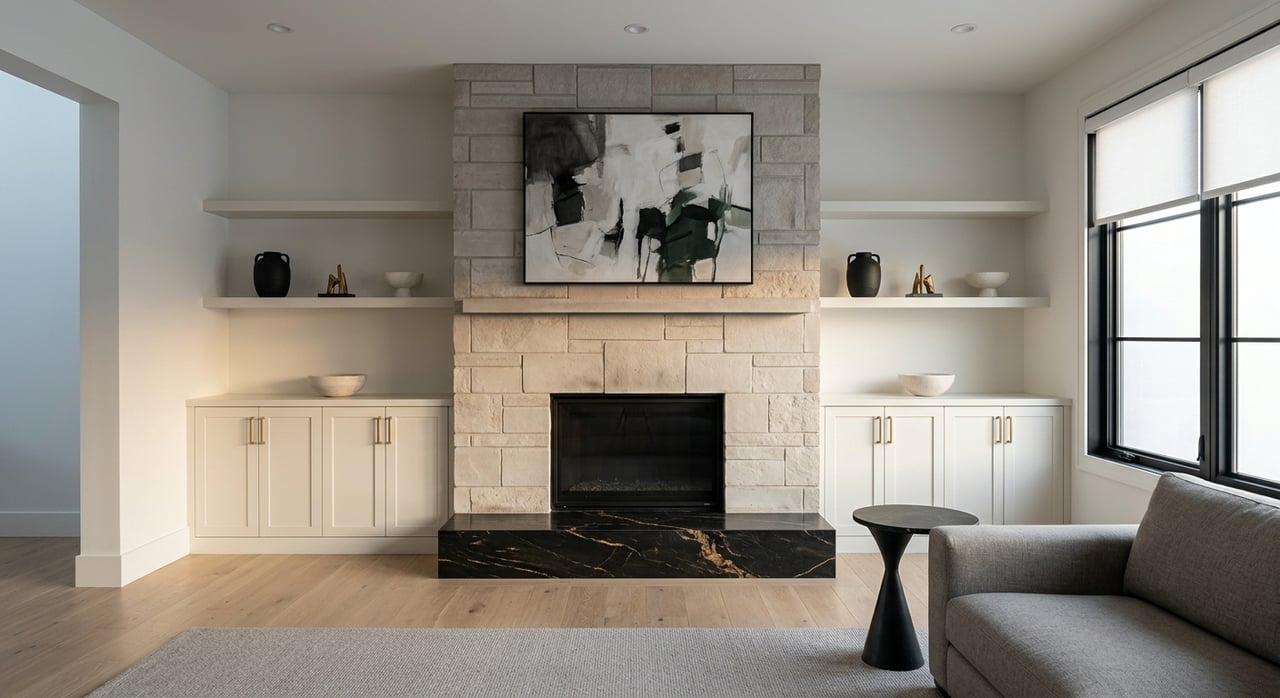
One of the best staging goals for an upper-end home is to make custom features easier to notice. Too much furniture, oversized decor, or crowded shelves can pull attention away from ceiling height, built-ins, millwork, flooring, or sightlines. You want buyers to remember the home itself, not the number of personal items in it.
According to NAR, the most common seller prep recommendations from agents include decluttering, whole-home cleaning, and curb appeal improvements. Those basics matter because they support every photo, every showing, and every buyer impression.
Highlight the rooms buyers notice most
You do not always need to stage every room to the same level. In many cases, your best return comes from making the highest-impact spaces feel finished, open, and easy to understand. That usually means your main gathering spaces should feel intentional and calm.
Pay special attention to:
- The living room, where buyers often judge comfort and scale
- The primary bedroom, where buyers look for a sense of retreat
- The kitchen, where finishes and function get immediate scrutiny
- The entry, because it shapes the tone of the showing
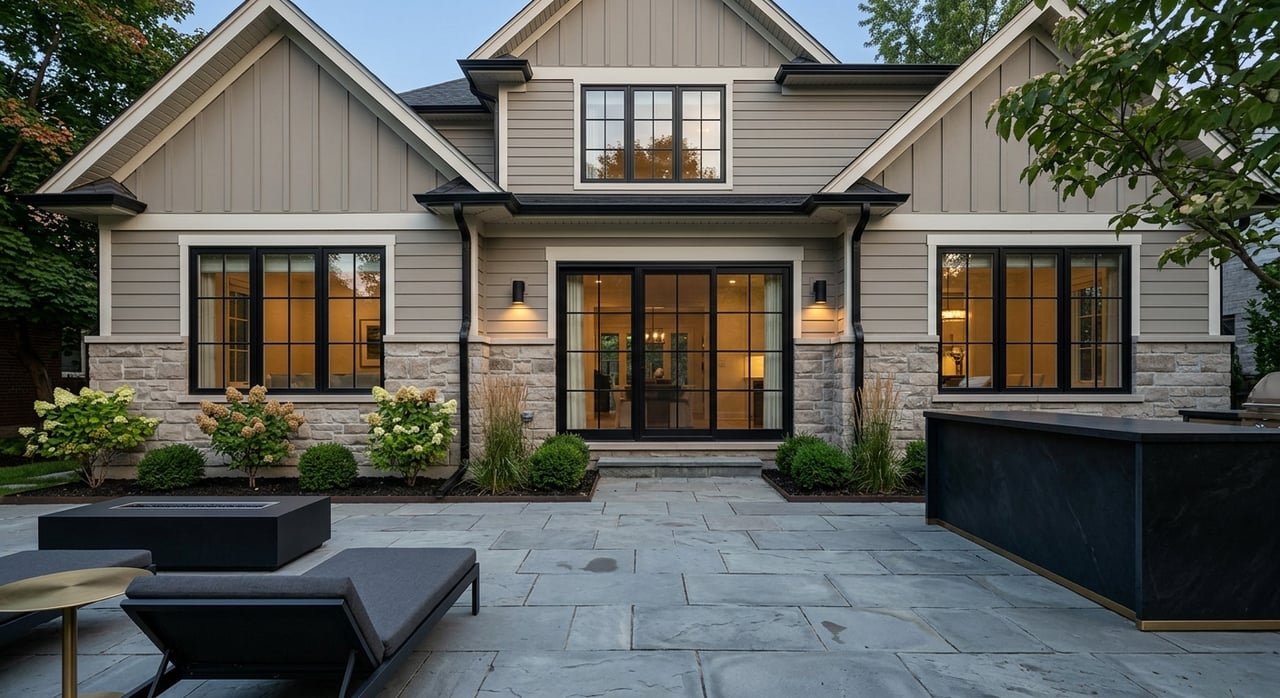
- Outdoor living areas, if they are a meaningful feature of the home
Handle maintenance before buyers find it
Luxury buyers often expect a home to feel well cared for from the start. Deferred maintenance can raise questions that go far beyond the cost of a single repair. When buyers notice small issues, they may start wondering what else has been overlooked.
That is why pre-market maintenance matters. If something is loose, worn, stained, cracked, or not working as intended, it is worth reviewing before you list.
Consider a pre-sale inspection
The NAR consumer guide on preparing to sell says a pre-sale inspection is optional, but it can help identify issues before buyers do. Depending on the property, that may include structure, exterior elements, roofing, plumbing, electrical systems, HVAC, interiors, insulation, fireplaces, and health-related tests such as mold, radon, lead paint, or asbestos.
Not every seller will choose this step, but for a higher-value property, it can be useful when you want fewer surprises during negotiations. If issues are found early, you can decide whether to repair them, disclose them clearly, or price with them in mind.
Gather records while you prepare
NAR also recommends locating warranties, guarantees, and user manuals for appliances and systems that will remain with the home. That may sound minor, but strong documentation can reinforce buyer confidence. It also helps create a smoother handoff once the transaction is underway.
For a premium property, it is smart to gather:
- Appliance manuals
- System warranties
- Repair invoices
- Contractor receipts
- Renovation records
- Service histories for major systems
Get disclosure paperwork organized early
In Pennsylvania, disclosure is not something to leave for the last minute. Under Pennsylvania’s Real Estate Seller Disclosure Law, sellers in residential transfers must disclose known material defects in a signed and dated property disclosure statement delivered before the agreement of transfer is signed.
The law covers a wide range of topics, including roof issues, basement or crawl spaces, pests, structural concerns, additions or remodeling, water and sewage, plumbing, HVAC, electrical systems, appliances, drainage, hazardous substances, HOA matters, title issues, and storm-water facilities. For a high-end home with more systems, upgrades, or improvements, complete and consistent documentation becomes even more important.
Accuracy matters
Pennsylvania law also says a seller does not have to conduct a specific investigation. However, a seller cannot make false or misleading statements and must update the disclosure if it becomes inaccurate before settlement. That makes careful review essential.
This is one area where a detail-oriented advisor can add real value. Clear wording, organized records, and a consistent disclosure package can help reduce friction once buyers begin asking deeper questions.
Elevate curb appeal and presentation
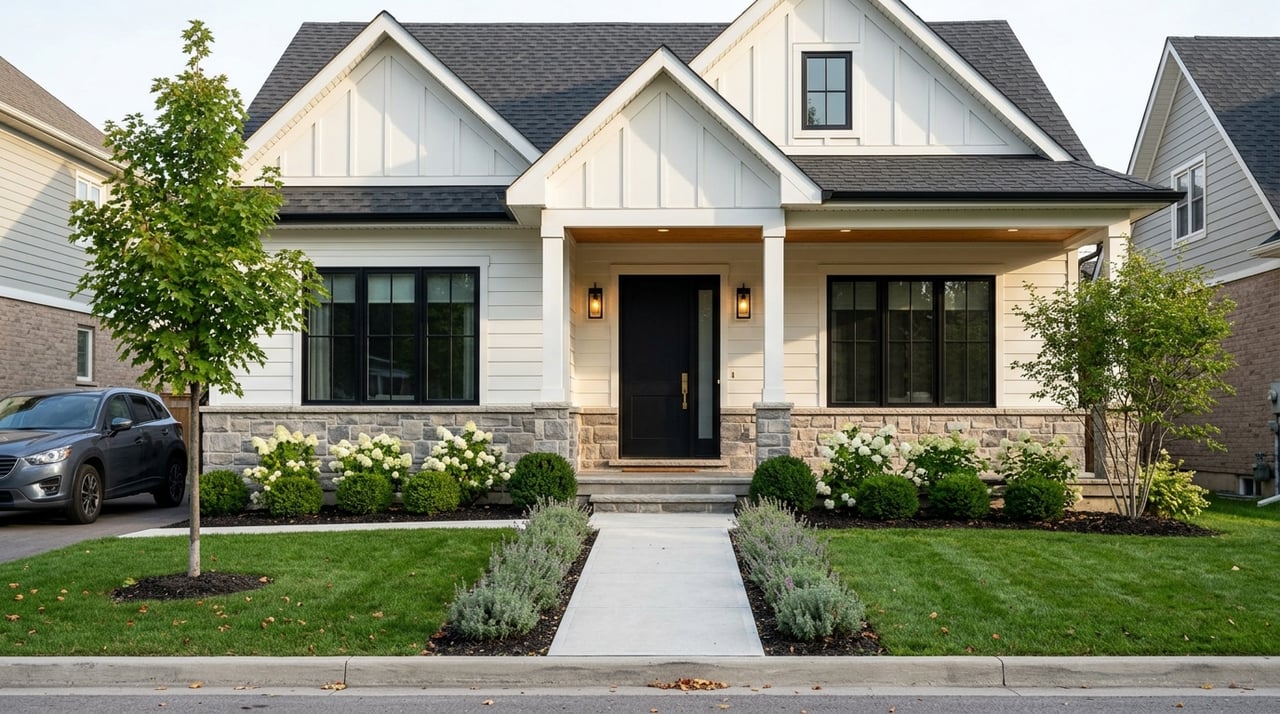
Curb appeal matters at every price point, but it carries extra weight for a luxury listing. Buyers often form an opinion before they even enter the front door. If the exterior feels fresh, maintained, and welcoming, buyers are more likely to view the rest of the home positively.
NAR’s staging survey found that improving curb appeal is one of the most common recommendations agents give sellers. In Gibsonia, where homes often sit on larger lots and exterior presentation can vary widely, this first impression can set the tone for your entire launch.
Focus on visible essentials
Before listing, review the elements a buyer sees right away:
- Front entry and door condition
- Landscaping and bed maintenance
- Walkways and driveway appearance
- Exterior lighting
- Trim, shutters, and paint touch-ups
- Outdoor furniture placement
You do not need to overdo it. The goal is a clean, cared-for look that signals quality and attention to detail.
Invest in strong listing media
For many buyers, your online presentation is the showing before the showing. That makes media one of the most important parts of your launch. NAR’s 2025 staging report notes that buyers highly value photos, videos, and virtual tours when viewing listings.
That is especially true for a high-end property, where buyers may be comparing several homes before they schedule a visit. Crisp visuals can help your listing stand out and communicate quality before anyone steps inside.
Finish prep before photos
Professional media works best when the home is completely ready. If you photograph first and fix details later, you may end up with images that do not reflect the property at its best. In a market where homes may move in a matter of weeks, that is a costly mistake.
Before media day, make sure:
- Repairs are complete
- Staging is in place
- Surfaces are clean
- Personal items are minimized
- Exterior spaces are camera-ready
- Lighting is functioning throughout the home
Think like a buyer from day one
Well-prepared homes tend to feel easier to buy. When buyers see a clean property, strong photos, organized records, and fewer obvious issues, they often feel more comfortable moving forward. That confidence can help support stronger offers and smoother negotiations.
In Gibsonia, that matters. The area’s demographics, home values, and market activity all point to a buyer pool that notices details and moves with purpose when the right property appears. Preparation helps you meet that audience with a listing that feels worth serious consideration.
Build your launch around protection and value
A successful luxury sale is not just about style. It is also about reducing risk. Thoughtful staging can improve presentation, but the strongest results often come when presentation is paired with maintenance review, accurate disclosures, and a complete documentation package.
NAR reports that some seller’s agents saw staging reduce time on market and increase value offered. While every home is different, the broader lesson is clear: strategic prep can support both speed and price when it is done well.
If you are preparing a high-end Gibsonia home for market, you do not have to guess your way through the process. Working with an advisor who understands premium presentation, local buyer expectations, and contract-level detail can help you launch with more confidence. When you are ready to position your home thoughtfully and protect your sale from the start, connect with Kelly Cheponis.
FAQs
What should you do first when preparing a high-end Gibsonia home for sale?
- Start with a full pre-market plan that covers repairs, staging, paperwork, and media so your home is ready before it goes live.
Does staging really matter for a luxury home in Gibsonia?
- Yes. According to NAR, staging helps buyers visualize the home, and the living room, primary bedroom, and kitchen are the most important spaces to prioritize.
Should you get a pre-sale inspection before listing a Gibsonia home?
- It is optional, but it can help uncover issues before buyers do and give you more control over repairs, pricing, and disclosure decisions.
What disclosures are required when selling a home in Pennsylvania?
- Pennsylvania law requires sellers in residential transfers to disclose known material defects in a signed property disclosure statement before the agreement of transfer is signed.
How fast do homes move in Gibsonia, PA?
- Research cited here shows directional market activity of about 22 to 36 days, depending on the source and metric, which is why complete pre-listing preparation matters.