Thinking about a move to Seven Fields but not sure where to start? You are not alone. When you relocate, you want a clear picture of housing, schools, commutes, utilities, and the small details that make daily life easier. This practical guide gives you a grounded overview and a step-by-step plan so you can move with confidence. Let’s dive in.
Seven Fields at a glance
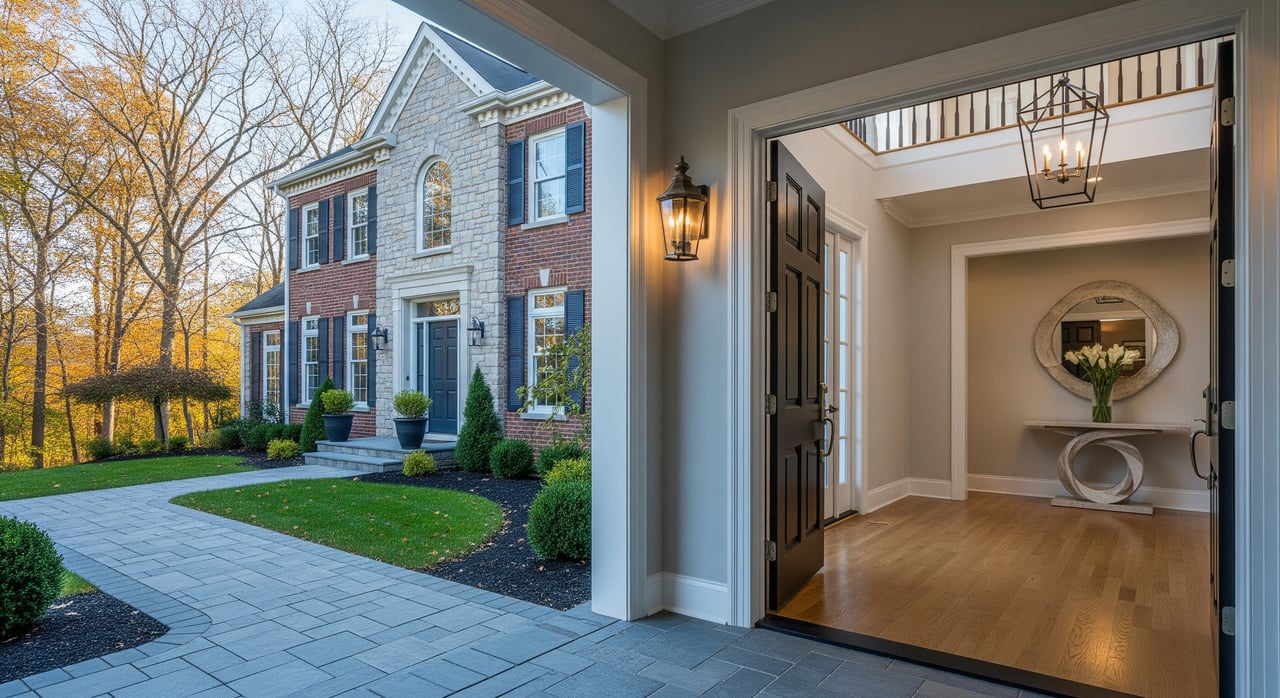
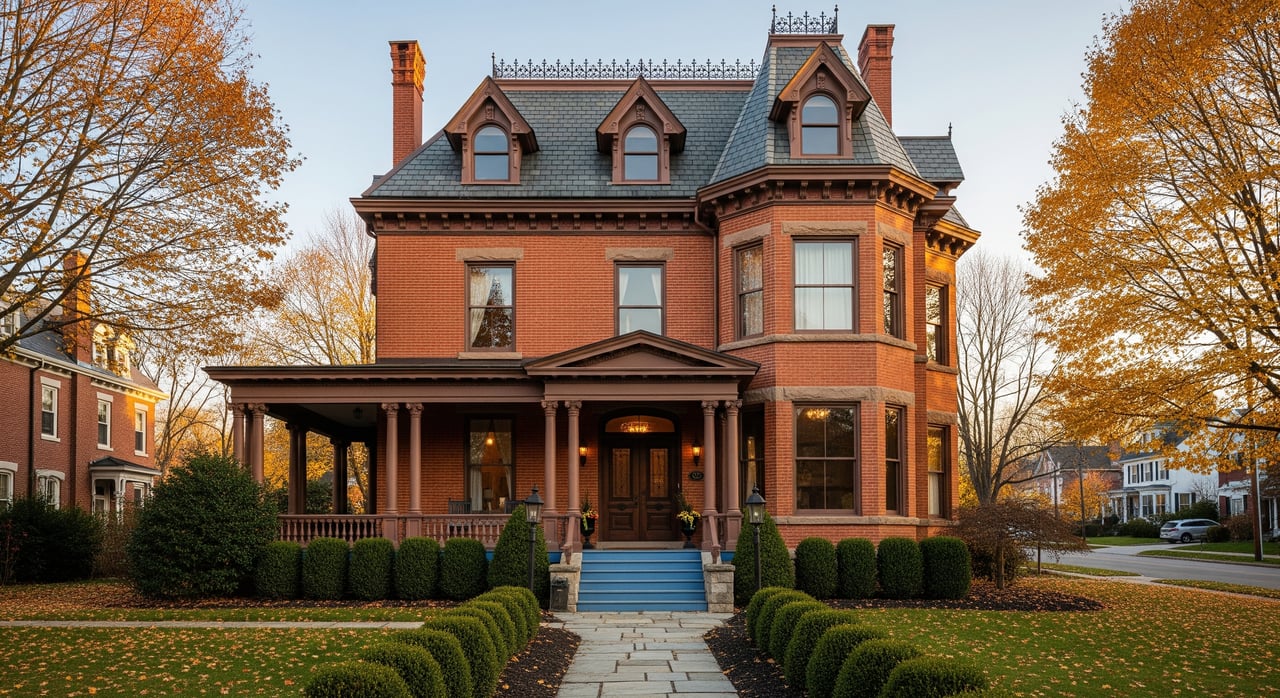
Seven Fields is a small borough in Butler County within Pittsburgh’s northern suburbs. You get a neighborhood feel with the convenience of nearby shopping, dining, and services in adjacent communities. Many streets are residential and walkable, with a mix of single-family homes, townhomes, and condominiums.
You will find established neighborhoods as well as newer townhome enclaves. Yards, sidewalks, and pocket parks are common features in the area. Residents often choose Seven Fields for its suburban lifestyle and easy access to larger employment and retail hubs nearby.
Housing and total cost of living
Your monthly housing budget in Seven Fields typically reflects five main components:
- Mortgage principal and interest
- Property taxes (borough, county, school district)
- Homeowners insurance
- Utilities and internet
- HOA dues, if applicable (common for many townhome or condo communities)
Use this simple approach to estimate your monthly total:
- Mortgage: Run a payment estimate based on your target price, down payment, and current rates. Keep a buffer for rate changes.
- Property taxes: Seven Fields homeowners generally pay three entities: the borough, Butler County, and the local public school district. Your total will vary by assessed value and current millage. Confirm the latest millage with the county tax office before you finalize your budget.
- Insurance: Get a quote that reflects the home’s size, features, and any special risks your lender requires you to cover.
- Utilities: Ask for seller utility averages or estimate based on home size and age. Include electric, natural gas or other heating fuel, water and sewer, trash, and internet.
- HOA dues: If the property is in an association, request the current fee schedule, what it covers, and any one-time capital contributions or transfer fees at closing.
Tip: Build a side-by-side comparison for two or three homes you like, including taxes and dues, so you can compare true monthly costs rather than just list price.
Schools and family life
Seven Fields is served by local public schools based on your home address. Boundaries can change, so confirm your assigned elementary, middle, and high schools before you write an offer. Review enrollment steps, required documents, and transportation details when you set your moving timeline.
When comparing options, focus on:
- School assignment by address and current boundary maps
- State report cards and performance indicators
- After-school programs, athletics, arts, and clubs
- Early childhood and childcare options nearby
You can review Pennsylvania school performance profiles and enrollment resources on the Pennsylvania Department of Education website. For an overview of regional demographics and household trends, consult the U.S. Census Bureau. These sources help you form a neutral, data-informed view when assessing fit for your family.
- Explore state education data: Pennsylvania Department of Education
- Review regional demographics: U.S. Census Bureau
Getting around and commuting
Most residents commute by car to nearby office parks and into the Pittsburgh metro. Access to major regional roadways provides connectivity to employment centers and the airport. Traffic patterns vary by time of day and season. Before you decide on a neighborhood, run a few test drives during your typical commute window to confirm the time and route you prefer.
Public transit in the northern suburbs is more limited than in the city core. If you need a park-and-ride or commuter bus solution, map out options early and plan for transfers. For road construction updates and route planning, check PennDOT.
- Road updates and travel info: PennDOT
Utilities and connectivity
Set up essential services well before closing. Availability can vary by street, especially for high-speed internet options.
Electric and natural gas: Identify your providers and schedule start dates to avoid a gap in service.
Water and sewer: Confirm whether billing is through a municipal utility or an authority. Ask about deposit requirements and billing cycles.
Trash and recycling: Determine whether collection is provided by the borough or a private hauler. Note pick-up days and recycling rules.
Internet and TV: Use the FCC Broadband Map to see available providers and technologies at your exact address, then confirm plans and install dates. If you work from home, ask for a written speed guarantee from your chosen provider.
Check availability: FCC Broadband Map
Safety, healthcare, and emergency services
Boroughs coordinate public safety through local police coverage and nearby fire departments. Before you move, review public safety summaries, understand how to request a vacation check, and save non-emergency contacts in your phone.
For healthcare, map your closest hospital, urgent care, pediatrician, and preferred pharmacy from your new address. Confirm which facilities are in-network for your insurance and note drive times during peak and off-peak hours. Keep a printed list of emergency contacts, including poison control and your family’s physicians, in an easy-to-reach spot at home.
Parks, recreation, and everyday amenities
Seven Fields residents enjoy local parks, playgrounds, and walkable streets for daily exercise. Nearby communities add options like fitness centers, sports facilities, trails, and seasonal events. You will also find grocery stores, coffee shops, restaurants, and service providers within a short drive, making errand runs efficient.
If you enjoy outdoor time, consider proximity to regional trails and state park access points north of the city. Save a short list of your favorite parks and trailheads once you settle in so weekend plans are easy.
Taxes, insurance, and risk checks
Before you finalize a property, complete these checks to avoid surprises after closing:
Property tax estimate: Verify the current millage for the borough, county, and school district. Use the home’s assessed value for a realistic annual estimate and convert to a monthly amount for your budget.
Homestead or owner-occupancy programs: Confirm any filings or deadlines that could reduce your tax bill.
Insurance needs: Review coverage for the dwelling, liability, and valuables. Ask your lender about any special requirements.
Flood risk: Review FEMA flood maps by parcel and ask your insurance agent to quote flood coverage if a portion of the lot touches a mapped flood zone.
Flood map lookup: FEMA Flood Map Service Center
Moving logistics: a step-by-step checklist
A smooth relocation comes down to timing and coordination. Use this timeline as your guide.
Before you shop
- Confirm school boundaries and enrollment steps for your target addresses.
- Ask your lender for a rate quote and a cost estimate that includes taxes and insurance.
- List your must-haves versus nice-to-haves to stay focused.
30–14 days before move
- Contact electric, gas, water, sewer, and trash to schedule start dates.
- Set up broadband and TV. Confirm install date and equipment needs.
- Book a licensed moving company. Ask about insurance and special item handling.
- If street or driveway access is tight, check whether you need temporary parking coordination through the borough or HOA.
7–1 days before move
- File your USPS change of address and update key accounts.
- Update driver’s license and vehicle registration according to Pennsylvania timelines.
- If you are selling a home, confirm final meter reads and trash pick-up at your old address.
- Pack a first-night box with essentials and important paperwork.
After you arrive
- Register children for school and confirm bus routes or drop-off procedures.
- Review local recycling rules and pick-up days.
- Meet your HOA contact or borough office to learn about community guidelines.
- Save non-emergency police, fire, and utility outage numbers in your phone.
Pros and considerations for relocators
Every move involves trade-offs. Here is a balanced view to help you decide.
- Pro: Small-borough feel with suburban convenience and nearby retail and dining.
- Pro: Mix of single-family homes, townhomes, and condos for different budgets and lifestyles.
- Pro: Access to regional roadways that connect to Pittsburgh’s job centers.
- Consideration: Public transit options are more limited in most northern suburbs, so plan on driving.
- Consideration: HOA dues can affect monthly costs in townhome and condo communities—review budgets and rules early.
- Consideration: Property tax totals vary by assessed value and millage—verify current rates before you finalize your numbers.
Local resources and where to verify details
Use these official sources to validate specifics for your address and timeframe.
- Borough and local services: Borough website for contacts, codes, permits, trash schedule, and meeting info.
- County property and taxes: Butler County sites for parcel lookups, assessments, and millage details: Butler County, PA
- School performance and enrollment: Pennsylvania Department of Education
- Commute and road updates: PennDOT
- Flood risk: FEMA Flood Map Service Center
- Internet availability: FCC Broadband Map
- Demographics and housing data: U.S. Census Bureau
If you want help interpreting data or pressure-testing your budget, work with a local advisor who can pull current comps, give you neighborhood-level context, and negotiate the terms that protect your interests.
Ready to explore homes and make a confident move to Seven Fields? Reach out to Kelly Cheponis for a tailored plan, local market insight, and legal-level contract guidance from search to closing.
FAQs
What should I budget for when buying in Seven Fields?
- Plan for mortgage, property taxes to the borough, county, and school district, homeowners insurance, utilities, and potential HOA dues for townhomes or condos.
How do I confirm my Seven Fields school assignment?
- Use the local district’s boundary maps and enrollment office to verify the assigned elementary, middle, and high schools for your exact address before you make an offer.
Are HOAs common in Seven Fields?
- Many townhome and condo communities have HOAs; request the fee schedule, budget, reserve study, and rules during your contingency period.
What commute options will I have to Pittsburgh?
- Most residents drive, using regional highways to reach job centers; test routes at your typical commute time and review PennDOT updates for construction or traffic changes.
How do I check flood risk for a specific Seven Fields address?
- Enter the property on the FEMA Flood Map Service Center to see parcel-level maps and discuss coverage needs with your insurance agent.
When should I start utility setup for a Seven Fields move?
- Begin 30 to 14 days before move-in to secure installation dates for electric, gas, water, sewer, trash, and internet, then confirm activation the week of your move.