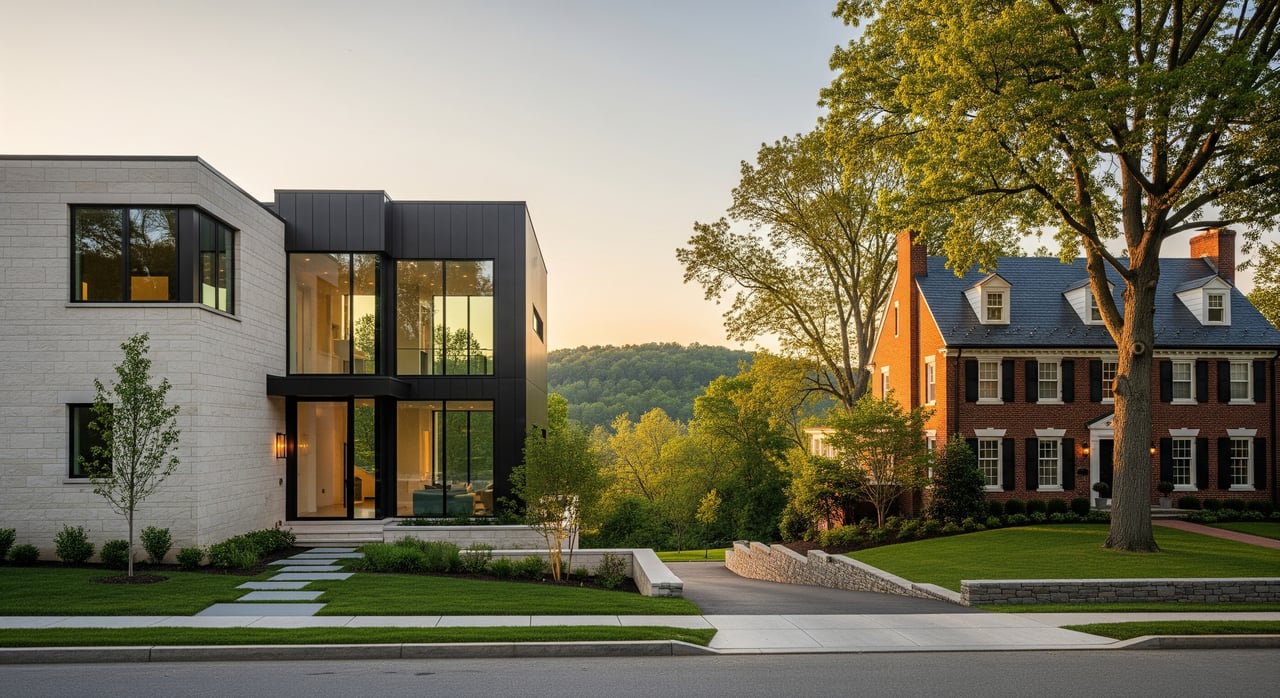
Relocating to Wexford puts you in the heart of Pittsburgh’s northern suburbs with strong schools, easy highway access, and a mix of brand‑new communities and mature neighborhoods. If you are deciding between building new or buying in an established area, this guide breaks down the tradeoffs, costs, and timelines so you can move with clarity and confidence.
Why Relocators Choose Wexford
Wexford spans several municipalities in ZIP 15090, including Franklin Park, McCandless, Pine Township, and Marshall Township. That mix delivers tree‑lined streets, parks, and access to I‑79 and Route 19, plus a range of housing from newer luxury builds to classic homes on mature lots as the area overview explains. The community draws families for its reputation, relative safety, and proximity to top schools. Countywide, violent crime has trended down from pandemic peaks, and local suburban pockets like Wexford are often seen as lower risk compared with state averages, though risk varies by block per regional reporting.
Here is how to weigh new construction versus established neighborhoods, using a practical, contract‑savvy lens.
New Construction: Pros, Cons, Options
Benefits of Building New
- Modern layouts and open plans that fit today’s living
- Energy‑efficient systems, windows, and insulation that can lower utility costs; ask which third‑party testing or certifications are included per ENERGY STAR guidance
- Builder warranties that reduce near‑term repair risk; many builders follow a 1‑2‑10 style structure for workmanship, systems, and structural coverage per FTC consumer guidance
- Predictability on finishes if you select from curated design packages
Tradeoffs to Consider
- Price premiums for newness, upgrades, and lot selection
- Build‑time uncertainty and weather‑related delays
- Smaller or standardized lots in some communities, with architectural rules and HOA oversight
- Neighborhood amenities and retail may be in progress for the first few years
Production, Semi‑Custom, and Custom Paths
- Production: Fastest path. You choose from set floor plans and finish palettes. Pricing is more transparent, but structural changes are limited.
- Semi‑custom: More flexibility on plan tweaks and finishes. Timelines can be longer and budgets need more buffer for selections.
- Custom: Maximum control over design and materials. Timelines are longest and pricing is driven by bids and allowances. Due diligence on the builder’s track record is essential.
Contracts, Allowances, and Inspections
New‑build contracts are builder‑friendly by default. Protect yourself by:
- Defining what is included versus an upgrade, with a written price for each selection
- Clarifying allowances for cabinets, counters, lighting, and flooring, and how overages are handled
- Outlining change order rules, deadlines, and fees
- Scheduling milestone inspections, such as pre‑drywall and pre‑closing; warranties are valuable, but proactive inspection catches issues earlier as the FTC notes
- Verifying HOA documents, amenity plans, and the developer control period before you sign
Established Areas: Pros, Cons, Options
Benefits of Settled Neighborhoods
- Mature trees, finished streetscapes, and a lived‑in community vibe
- Often larger lots and more architectural variety
- Established commute patterns and nearby retail already in place
- The ability to buy into a location and tailor finishes over time
Tradeoffs and Maintenance
- Systems and roofs may be closer to replacement age
- Some layouts need reconfiguration to match modern living
- Competition can be fierce for updated, move‑in ready homes in top pockets
Renovation Strategy and Budgeting
- Use inspections to create a 12‑ to 24‑month improvement plan
- Prioritize safety, envelope, mechanicals, then kitchens and baths
- Keep a contingency for surprises behind walls and for permitting needs
HOA and Community Dynamics
Not all established neighborhoods have HOAs. Where they do, review rules around fences, sheds, and exterior finishes. Amenities can add value, but fees vary and governance quality matters. Get the declaration and last two budgets before you commit.
Cost, Financing, and Value
Price per Foot vs. Total Cost
Headline price rarely tells the whole story. Compare total cost of ownership between new and established options by modeling:
- Upgrades and change orders on a new build
- Immediate repairs and phased renovations on an older home
- Utilities, insurance, and expected maintenance for each
Upgrades, Allowances, and Change Orders
Selections drive your final price. Set a realistic range for finishes and include a buffer for change orders. Confirm which items can be financed versus paid in cash during construction, and how that affects your appraisal.
Taxes, HOA, and Operating Costs
Property taxes vary by municipality in Wexford because the area spans multiple townships and boroughs. Annual tax bills combine county, municipal, and school millages. Countywide millage increased in 2025, which affects every address in Allegheny County as reported. Municipal millages differ, so check the specific town’s current schedule, such as McCandless real estate tax details and Marshall Township tax information. If you are exploring Pine Township, review utility providers and service type by address, including whether a lot is on public water/sewer or well/septic per township utility resources.
New communities often include HOA fees for roads, snow, and amenities. Ask for the current fee schedule and reserve plans. In both new and established areas, confirm internet options by address if bandwidth is critical for work‑from‑home using regional availability tools.
Appraisals and Future Value
Appraisals rely on comparable sales. New builds in early phases may have fewer comps, which can create appraisal gaps if upgrades outpace the market. Established neighborhoods offer deeper comp history, but condition varies. In either case, focus on enduring value drivers: location, lot, plan, and condition.
Timeline, Logistics, and Process
New‑Build Milestones and Lead Times
Typical stages include lot selection, contract, permitting, site work, framing, rough‑ins, drywall, finishes, certificate of occupancy, and closing. Timelines vary by builder capacity and weather. Some builders offer quick‑move‑in homes that reduce risk, but still review warranty terms and punch‑list processes with guidance from the FTC on warranty expectations.
Temporary Housing and Move Coordination
If your lease or current home sale ends before your new home is ready, line up short‑term rentals or corporate housing. For established homes, you can target possession dates and rent‑backs to bridge gaps. Coordinate school enrollments and moving services early to avoid crunch periods.
Contingencies and Sale Coordination
When selling and buying, you can sequence closings, use home‑sale contingencies, or secure interim financing. With a new build, confirm your rate‑lock and build timeline in writing and revisit at milestones. Keep inspection and appraisal timelines tight so you can pivot if needed.
Lifestyle Fit and Daily Living
Commute, Access, and Convenience
Wexford’s north‑of‑city location provides quick access to major corridors for downtown and airport travel, plus links to regional park‑and‑ride lots and bus routes that are periodically updated see the McCandless park‑and‑ride reference. Always test your commute during your actual drive times.
School Considerations and Timing
Wexford spans portions of multiple municipalities and aligns with respected districts in the area. Enrollment timing, grade transitions, and bus routes can influence whether you prefer a finished neighborhood or a developing one. Check district boundary maps and registrar guidance directly on official district sites, such as North Allegheny’s resources for families on its pages. If a specific school zone is a must, confirm by address before you write an offer.
Parks, Recreation, and Community Vibe
Established pockets offer mature parks, trails, and active neighborhood associations. Newer plans may add clubhouses, pools, and sidewalks as phases build out. Visit morning and evening to see traffic, noise, and how neighbors use common spaces.
Resale Value and Exit Strategy
Marketability Drivers
Homes that age well share a few traits: a functional layout, a usable yard, sunlight, calm street position, and convenient access to daily needs. Quality of construction and maintenance records also help buyers act decisively.
Renovation ROI vs. New Premium
You can buy newer at a premium and enjoy low maintenance, or target an established home and create value through selective improvements. Kitchens, primary suites, and outdoor living spaces tend to return the most interest when paired with good bones and location.
Holding Period and Flexibility
If you might move again within a few years, preserve flexibility. Favor floor plans with broad appeal, neutral finishes, and locations with consistent demand. In custom builds, avoid hyper‑specific choices that shrink the future buyer pool.
How a Local Advisor Helps
Builder and Lot Vetting
A seasoned advisor helps you evaluate builder reputation, warranty processes, and past delivery timelines. They also stress‑test lot selection for slope, drainage, setbacks, and utility runs, and confirm municipal and county tax impacts using official sources like McCandless and Marshall Township pages for tax references and local tax details.
Neighborhood Matching and Private Options
You get curated shortlists that fit commute patterns, school preferences, and HOA tolerance. In tight markets, your agent can surface private opportunities and upcoming releases and position you early.
Negotiation, Inspections, and Close
From contract language to inspection response, a local advocate protects your interests. For new builds, that includes defining allowances, setting inspection milestones, and documenting warranty coverage. For established homes, it means building an inspection‑driven plan and coordinating specialists.
Plan Your Next Steps
Both paths can be excellent in Wexford. If you want newness, focus on timelines, allowances, and model‑matched comps. If you prefer mature streets and finished amenities, lean on inspections and a renovation plan. Either way, put contract clarity and due diligence first.
When you are ready, connect with Kelly Cheponis to compare specific neighborhoods, vet builders, and map your financing and timeline. As an attorney‑trained Real Estate Advisor, Kelly blends contract protection with northern‑suburbs market depth so you can buy with confidence. Get your questions answered and your move on track.
FAQs
Is Wexford one town or several municipalities?
- Wexford is an unincorporated community that spans parts of Franklin Park, McCandless, Pine Township, and Marshall Township in ZIP 15090 per the area overview.
How do property taxes work in Wexford?
- Your annual bill combines county, municipal, and school millages applied to the county’s assessed value. Millages vary by municipality, and Allegheny County increased its rate in 2025 per county reporting. Check the town’s current schedules, like McCandless tax details and Marshall Township tax information.
Are Wexford schools considered strong?
- The area aligns with respected districts. Confirm boundaries and enrollment steps on official district pages, such as North Allegheny’s resources for families on its site.
How can I reduce risk when building new?
- Lock down allowances, change‑order rules, and timelines in writing, schedule pre‑drywall and final inspections, and get warranty terms in full. The FTC outlines common warranty structures and consumer tips here.
What utilities and internet options should I verify?
- Confirm electric, gas, water/sewer or well/septic, and ISP choices by address. Pine Township lists typical providers and contacts on its utilities page. Check broadband availability before you commit using regional tools.
Is public transit an option from Wexford?
- Yes, park‑and‑ride lots and bus routes serve parts of the north suburbs. Options and timetables evolve, so review current listings, such as the McCandless park‑and‑ride reference, on Pittsburgh Regional Transit here.
What safety context should I consider?
- Countywide violent crime has trended lower from pandemic highs, but risk varies by block. Review recent police reports and regional summaries as part of your due diligence per local reporting.