Wondering why one Mars home shows up in the mid-$200,000s while another reaches well past $1 million? You are not imagining things. Mars is a small market with a surprisingly wide price spread, and that can make it hard to know what your budget really buys. In this guide, you will see how Mars home price ranges break down by neighborhood type, what features tend to push values up, and why looking at one average number rarely tells the full story. Let’s dive in.
Why Mars Prices Vary So Much
Mars Borough is compact, with about 1,285 residents, roughly 655 housing units, and only about 0.5 square miles of area. That small footprint means the broader Mars-area search often includes very different property types, from older in-town homes to newer subdivision properties and custom homes on acreage.
That mix is a big reason pricing can feel inconsistent. A condo, townhouse, detached subdivision home, and custom estate may all appear under the same Mars search, even though they serve very different buyer needs and price points.
Current market snapshots show that range clearly. Realtor.com reports a median listing price around $517,500 with 123 active listings and about 31 days on market, while Redfin shows a May 2026 median sale price of $317,810 and an average time to sell of about 32 days. That gap is your clue that Mars is not a one-price market.
In-Town and Attached Homes
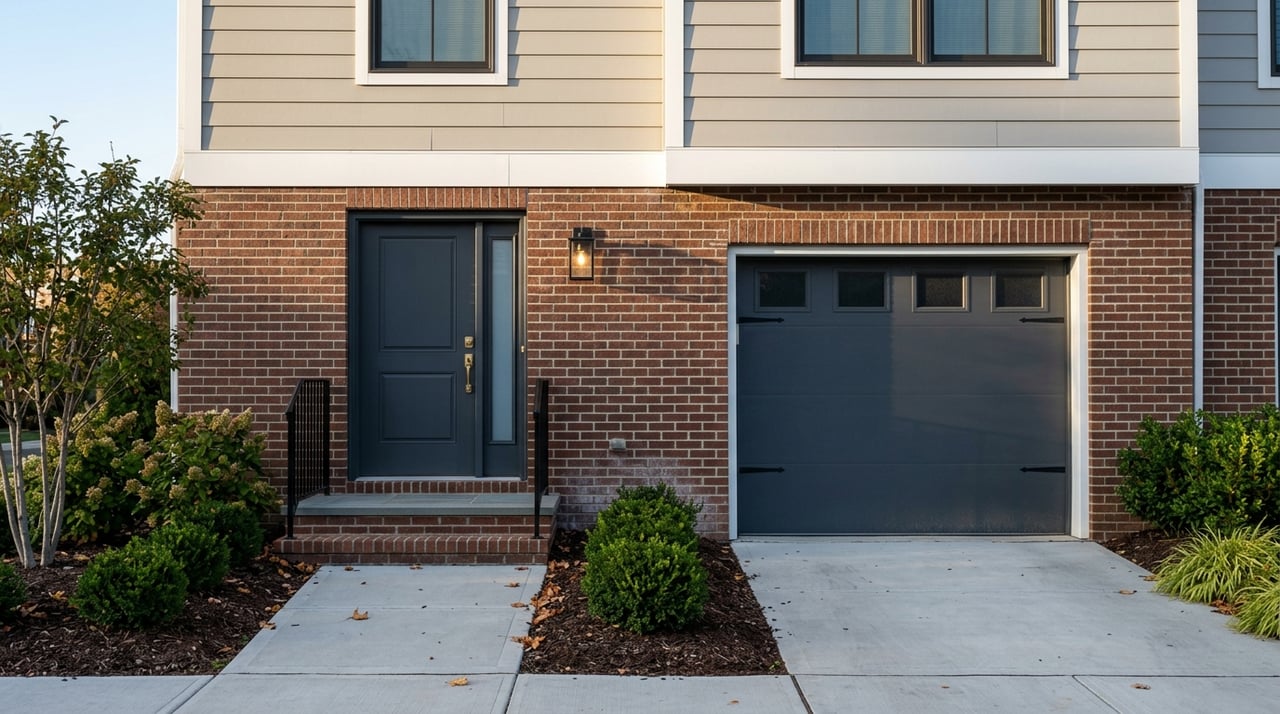
If you are looking for the lower end of the Mars market, attached homes and smaller-footprint properties are usually the place to start. Current listings include examples around $247,000, $279,900, and $285,000, with additional townhomes listed around $354,900, $374,900, and $424,900.
This category often appeals to buyers who want lower-maintenance living, a smaller home footprint, or a more accessible entry point into the Mars area. These homes may also offer a simpler lifestyle for buyers who do not want the upkeep that can come with larger lots and custom properties.
A practical working range for this segment is roughly the high $200,000s into the low $400,000s, depending on size, condition, and layout. If you are comparing options in this bracket, details like bedroom count, bathroom count, garage space, and interior updates can make a real difference.
What to Expect in This Price Band
Homes in this segment are often defined more by efficiency than by scale. You may see attached layouts, more compact lots, and a lower overall maintenance burden compared with detached suburban homes.
That does not mean all properties here are alike. A well-updated townhouse at the upper end of the range can feel very different from an older or smaller in-town option closer to the lower end.
Planned Communities and Newer Homes
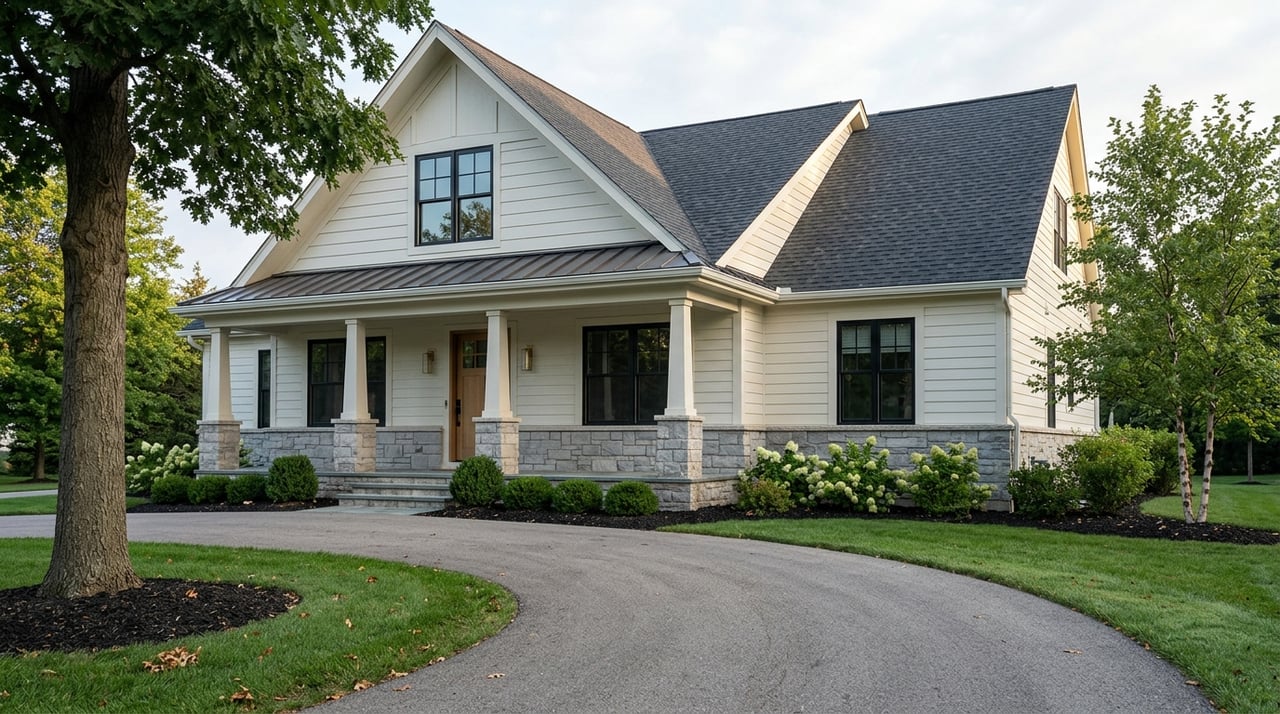
The middle of the Mars market is where many buyers find the most classic suburban feel. Current listings show detached homes roughly from $446,900 to $699,990, including to-be-built opportunities in communities such as Amherst Village Community starting from $599,990.
This segment can also stretch higher when you move into premium planned-community inventory. Current examples reach around $865,000 to just over $1.09 million.
In these neighborhoods, buyers are often paying for more than square footage alone. Newer construction, a more consistent neighborhood setting, and community amenities can all contribute to the asking price.
Why Buyers Pay More Here
For many buyers, this category offers a balance between space, condition, and neighborhood feel. You may find newer finishes, modern floor plans, and less immediate renovation work compared with some older housing stock.
There is also often more pricing consistency in this segment because homes tend to share similar age ranges, construction styles, and lot patterns. That can make it easier to compare one home against another, though upgrades and lot placement still matter.
Larger-Lot and Custom Properties
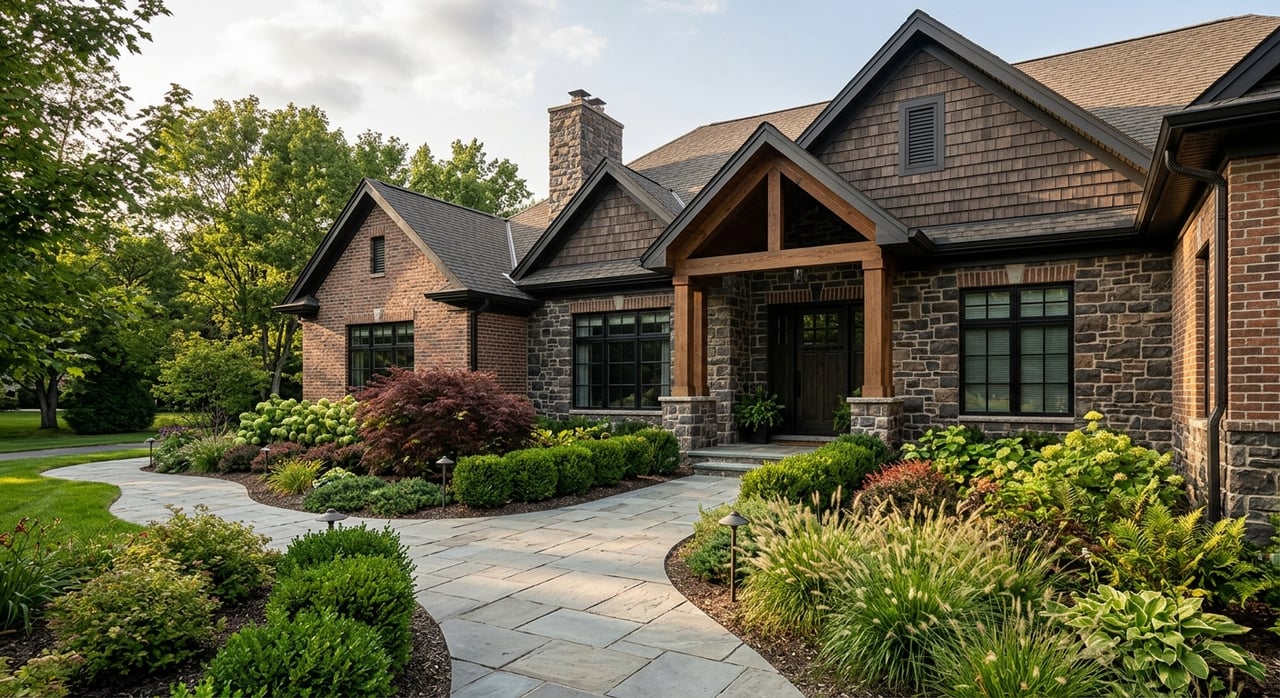
At the upper end of the Mars market, lot size and custom design start to play a much bigger role. Current listings include homes around $899,900 on a half-acre, $950,000 on 1.85 acres, $1.95 million on just over an acre, $2.05 million on 2.16 acres, and $3.875 million on 4.3 acres.
This is where Mars pricing can move quickly. Once you combine privacy, acreage, custom construction, and higher-end finishes, the market shifts away from a simple price-per-square-foot conversation.
In this category, buyers are often evaluating the full package. The home itself matters, but so do setting, land, design, and the level of customization.
When Acreage Becomes the Main Driver
A larger lot does not automatically create a luxury price point, but acreage becomes far more influential as homes move into the upper brackets. In the Mars area, that tends to happen when land, privacy, and custom features become central to the property’s appeal rather than just a bonus.
That helps explain why some Mars-area homes climb from the high hundreds into the multimillion-dollar range. Once a property offers a custom build and meaningful land, it is competing in a very different part of the market.
What Drives Home Prices in Mars
If you are trying to estimate value in Mars, home type is one of the best places to begin. The current listing mix shows three distinct buckets at once: attached or in-town homes, planned-community homes, and custom or acreage properties.
From there, several features tend to move price the most:
- Square footage
- Lot size
- Age and condition
- Bedroom and bathroom count
- Garage count
- Attached versus detached layout
- Planned-community setting versus custom property
In a compact market like Mars, these details matter a lot. Two homes with the same town name can have very different values simply because they fall into different property categories.
Borough Core vs. Broader Mars Area
It also helps to understand the difference between Mars Borough and the broader Mars-area market. Mars Borough covers only about 0.5 square miles, while Middlesex Township covers about 23.1 square miles and includes more than 56 roadway miles.
That size difference matters when you look at listings. Larger-lot and custom homes are more likely to show up in the broader Mars-area market rather than inside the compact borough core.
If you are shopping by online search alone, this can create confusion. A home labeled “Mars” may offer a very different setting, lot size, and overall value proposition depending on whether it sits closer to the borough core or in the surrounding township areas.
How Route 228 Affects Value
Convenience is part of how many buyers judge value in Mars. PennDOT describes the Route 228 corridor as running from Route 8 to Route 19, with Three Degree Road work connecting through the schools area and into the broader Mars RR and Balls Bend corridor.
Mars Area School District’s official site is located on Route 228 at 545 Route 228. That means proximity to this corridor and the nearby school area can shape how buyers think about access and daily convenience.
For some buyers, easier access to Route 228 may support stronger interest in a property because it improves movement through the area. In practical terms, location within the Mars area is not just about the home itself. It is also about how the home fits into everyday travel patterns.
Why Asking Prices Can Look Higher Than Sold Prices
One of the most common points of confusion in Mars is the gap between active listing prices and recent sale prices. Right now, that gap is easy to spot, with a median listing price around $517,500 and a median sale price around $317,810.
There are a few reasons this can happen. First, active listings may include more new construction, premium subdivision homes, and custom properties that pull asking prices upward.
Second, sold-price data reflects what has already closed, which may include a different mix of homes. If more attached homes, older homes, or smaller properties sold in a given month, the median sale price can look much lower than current asking prices.
That is why a single market headline can be misleading. In Mars, you usually get a clearer picture by comparing homes within the same neighborhood type instead of relying on one overall median.
How to Use These Price Ranges
If you are buying in Mars, start by deciding which neighborhood type fits your lifestyle before focusing only on a top-line budget. That can help you avoid comparing a townhouse to a custom acreage home as if they belong in the same pricing conversation.
If you are selling, the same logic applies. Your home’s value will usually make more sense when it is positioned against similar property types, similar lot patterns, and similar levels of finish.
That is especially important in a market with this much range. Accurate pricing in Mars depends on reading the category first, then the specific features that move value within that category.
Whether you are buying your next home or preparing to sell in Mars, a local pricing strategy matters. If you want guidance tailored to your home type, price band, and goals, connect with Kelly Cheponis for a smart, market-specific plan.
FAQs
What price range fits a condo or townhouse in Mars?
- Current Mars-area examples for condos and townhouses range from about $247,000 to $424,900, with many options clustering from the high $200,000s into the low $400,000s.
What price range fits a newer subdivision home in Mars?
- Current detached and planned-community-style homes in the Mars area are listed from roughly $446,900 to $699,990, with some premium community homes rising to about $865,000 to just over $1.09 million.
When does acreage start to drive Mars home prices?
- Acreage becomes a bigger value driver when a property’s land, privacy, and custom design become central to its appeal, which is most visible in current Mars-area listings from about $899,900 up to $3.875 million.
How does Route 228 affect Mars home value?
- Route 228 access can influence buyer interest because it affects day-to-day convenience, especially near the broader corridor and school area identified by PennDOT and the Mars Area School District location.
Why are Mars listing prices higher than recent sold prices?
- Current asking prices include a wide mix of newer, premium, and custom inventory, while recent sold prices may reflect a different mix of homes, including more attached, smaller, or older properties.