Thinking about building new in Cranberry Township? You are not alone. With active neighborhoods, townhome communities, and custom options, Cranberry continues to draw buyers who want a fresh, low‑maintenance home without major projects on day one. The process is different from buying resale, though. You will face builder contracts, design choices, municipal steps, and timelines that can stretch over months.
This guide walks you through what to expect in Cranberry, from pricing and upgrades to permits, impact fees, warranties, financing, and the contract terms that matter. You will leave with a plain‑English checklist you can use on your first model‑home visit. Let’s dive in.
Why Cranberry new builds stand out
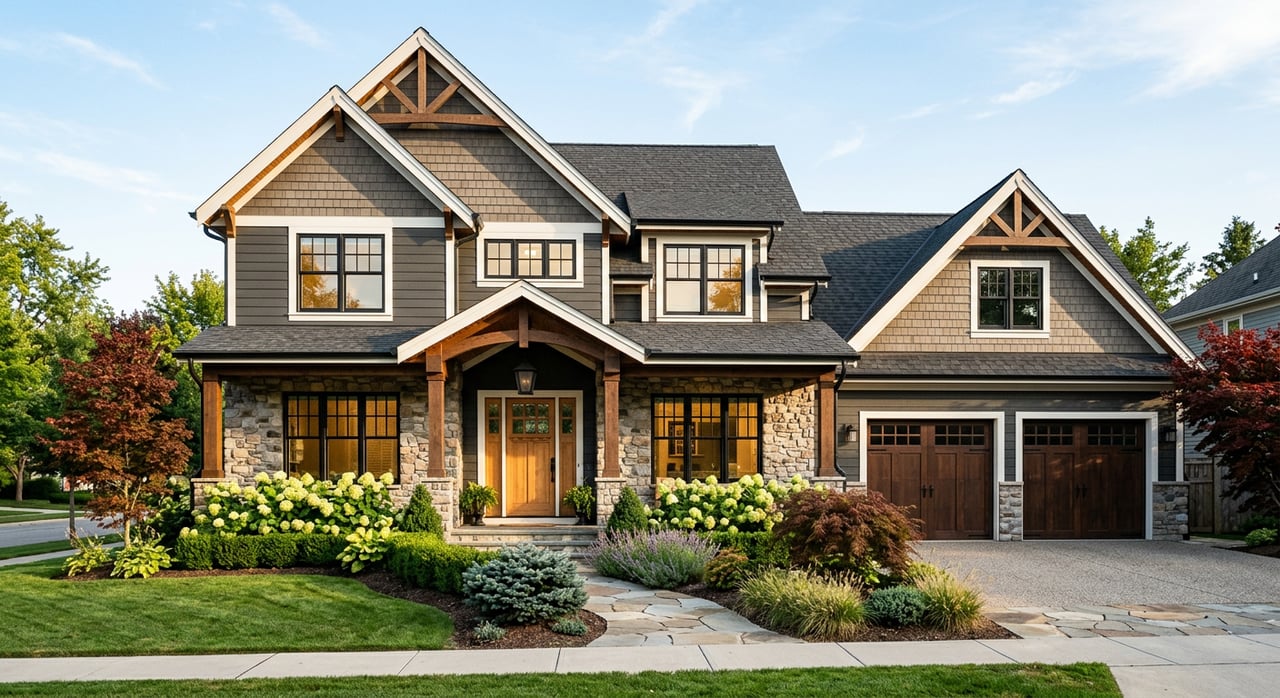
Cranberry is one of Butler County’s most active new‑home areas. Recent reporting shows the township tracking major development activity through 2025, a signal that new construction remains a core part of the local housing mix. You will see production single‑family homes, townhomes, and smaller custom builders serving select lots and infill sites.
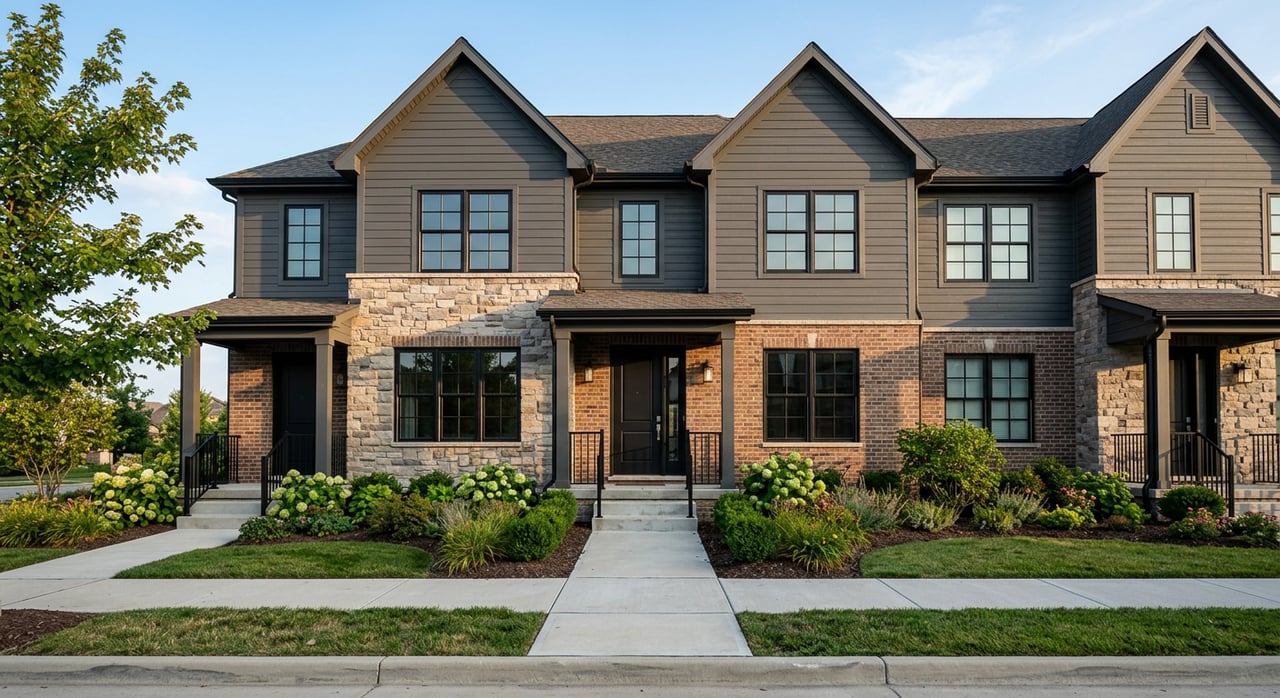
If you want a real‑world example, explore a local townhome community such as Ryan Homes’ Park Place to see how models, lot maps, and quick‑move options are typically presented. Browsing a community page helps you compare base pricing to actual finished selections you might choose. You can view an example community page at Ryan Homes Park Place.
For pricing context, public snapshots in 2025 placed Cranberry’s median listing price around the mid‑$400s and median sold price in a similar range. Treat those as broad markers rather than a quote for any specific plan or lot.
What the process looks like
From lot to keys: 5 steps
- Pick your lot or a quick‑move home, place a reservation or earnest deposit, and sign the builder’s purchase agreement.
- Meet at the design center to choose finishes and any structural options if you are building to order.
- The builder submits permits and coordinates township planning, zoning, and utility approvals.
- Construction proceeds in stages: site prep, foundation, framing, rough mechanicals, insulation and drywall, then finishes and punch list.
- Final municipal inspections, a certificate of occupancy, closing, and move‑in.
For a helpful overview of the sequence, review this step‑by‑step guide to buying new construction.
Timelines you can expect
Production builds often run about 6 to 9 months from permit to completion in many markets, while custom homes commonly take a year or more. National summaries of Census data put averages in that range for built‑for‑sale and contractor‑built homes. See the industry snapshot here: average build times and steps.
In Cranberry, quick‑move homes that are already framed or near completion can shorten your path. If you are building from dirt, ask for a written schedule with milestones and a target completion window so you can plan your lease, sale, or move.
Permits, fees, and utilities in Cranberry
Cranberry Township enforces Pennsylvania’s Uniform Construction Code and follows the 2018 International Codes. The Code Administration Department handles building, zoning, fire, and inspections. You can confirm permit types, inspection timing, and related resources on the township’s Building, Zoning, Codes page.
The township uses an online system for submittals and scheduling. If you want to see how the permitting portal works, explore the OpenGov permitting page.
Cranberry also maintains a Transportation Capital Improvements program authorized under Act 209. Depending on the development and lot, you may see transportation or impact fees in addition to standard permit costs. Review the current Cranberry Township fee schedule and ask the builder how and when each fee is paid.
For sewer and water, much of Cranberry is served by the Brush Creek Water Pollution Control Facility and other authorities. Connection timing and tap fees are often set by the municipal authority or covered by the developer’s infrastructure plan. If a phase needs mains extended or upgraded, that can affect timing. You can read about the facility’s recent projects here: Brush Creek facility overview.
Cranberry snapshot: key local facts
- Permitting and inspections: handled by Cranberry’s Code Administration; online portal available.
- Impact fees: Act 209 Transportation Capital Improvements can apply to new lots. Verify the exact amount for your lot.
- Utilities: confirm who pays water and sewer tap fees and whether any utility project could affect your build timeline.
- Taxes and districts: Cranberry lies in the Seneca Valley School District. Confirm current millage and total effective tax rate for your specific property.
True cost vs base price
The model home you tour will look great, but its finishes are rarely included at the base price. Most buyers spend additional dollars on structural options, lot premiums, and design‑center upgrades.
A simple way to budget is to add line items to the base price:
- Lot premium: varies by size, location, and features like views or cul‑de‑sacs.
- Structural options: extended garage, morning room, covered patio, finished basement.
- Design‑center upgrades: cabinets, countertops, flooring, lighting, appliances, tile, and trim.
- HOA and working capital: one‑time initiation and ongoing annual dues.
- Closing costs: title, lender, prepaid taxes and insurance.
A helpful benchmark: buyers often allocate about 10 to 15 percent of the base price for design‑center selections alone, with structural options and lot premiums on top. For a deeper look at where new‑construction buyers tend to prioritize spending, see this summary of common upgrade choices.
Here is a quick illustration. If a plan shows a $525,000 base price, a realistic finished number might look like: $525,000 base + $10,000 lot premium + $60,000 in structural and design choices + closing costs and HOA. Your actual mix will vary, but asking the builder for a written “bottom‑line” example will help you compare communities apples‑to‑apples.
Deposits, financing, and builder incentives
How deposits usually work
Expect an initial reservation or earnest deposit when you pick a lot or plan, then staged deposits at contract milestones and design selections. In resale, 1 to 3 percent is common, but builders can set different structures. Clarify where funds are held, whether any part is refundable, and which contingencies apply. Plan for those dollars to be tied up during construction.
Loan options that fit new builds
Two structures are most common:
- Construction‑to‑permanent (one‑time close). You qualify once, lock the long‑term rate up front, and the loan converts to a standard mortgage at completion.
- Construction‑only (two closings). You take a short‑term construction loan, then refinance into a permanent loan when the home is finished.
Ask lenders whether they offer one‑time close options, rate‑lock lengths that match your build, and how builder incentives apply. This overview breaks down the differences: construction loan types and lenders.
Incentives and preferred providers
Many builders offer mortgage credits, temporary rate buydowns, or closing cost help if you use their preferred lender and title company. Get the full math in writing and compare it with quotes from your own lenders so you understand the true net benefit. A practical starting point is this guide to buying a new‑construction home.
Warranties and inspections that protect you
Most builders provide tiered coverage often described as a “1‑2‑10” warranty: one year for workmanship and materials, two years for major mechanicals and systems, and 10 years for certain structural defects. Always identify who administers it and read the claim process and exclusions. You can learn more about how these programs typically work here: new‑home warranty basics.
Municipal inspections are built into the process, but you can also request independent inspections. Many buyers ask for a pre‑drywall inspection and a final inspection to document punch‑list items and ensure quick resolution before closing. For context on why third‑party inspections matter, see this new‑construction buyer guide.
Key contract terms to watch
Builder purchase agreements are written by the builder, so the fine print matters. If you are comparing communities, ask for a sample contract early and read it with a detail‑oriented advisor. Real‑estate attorneys commonly recommend careful review because deposit, delay, and dispute provisions can vary by builder and by community.
Focus on these items:
- Deposit treatment. What triggers a refund, partial refund, or forfeiture? Who holds the funds, and when are they released?
- Schedule protection. Does the contract include a guaranteed completion date or a remedy if the builder misses it? If not, ask whether the builder will add a reasonable protection or concession.
- Change orders and allowances. How are upgrades priced and approved? What happens if materials are unavailable?
- Arbitration and waivers. Some agreements include arbitration or class‑action waivers. Understand how those clauses affect your options if a dispute arises.
- Assignment and resale. If you may need to relocate before closing, verify whether you can assign the contract.
If you want a sense of the common legal pressure points, this overview from a legal source explains why contract review is so important for new construction buyers. It outlines concerns like arbitration and limits on remedies and why buyers often negotiate adjustments before signing.
Local checklist for Cranberry buyers
Use this list to compare communities and avoid surprises:
- Ask for a written total price example: base price, typical upgrades, structural options, lot premium, estimated closing costs, HOA dues, and any one‑time association fees.
- Confirm the township’s current permit, impact, and transportation fees for your specific lot. Ask who pays each fee and when.
- Clarify water and sewer tap fees and whether any utility project or capacity work could affect your timeline.
- Request a build calendar with milestones and a written estimated completion window.
- Get the full deposit schedule in writing, including whether deposits are refundable and where they are held.
- Ask for the name of the warranty administrator, coverage tiers and terms, and the claim process. Request a copy of the warranty booklet.
- Request the right to conduct pre‑drywall and final third‑party inspections, plus a defined punch‑list timeline.
- Review HOA covenants, architectural rules, and budget. Confirm the latest dues and any upcoming capital projects.
- Verify total property taxes for the address, including municipal, county, and school district millage. Do not rely on historical rates.
- Ask whether using the builder’s preferred lender and title is required for incentives. Get the net numbers in writing and compare outside quotes.
The value of having a legally trained advisor
A builder’s contract is not a standard fill‑in‑the‑blank form. It controls deposits, timelines, remedies, change orders, and dispute procedures. You benefit from an advocate who reads the fine print, explains what it means in plain English, and helps you negotiate practical protections like longer rate locks, realistic completion commitments, or escrowed funds for punch‑list items at closing.
As an attorney‑turned real estate advisor, I take a contract‑first approach to new construction. That means clearer expectations, smarter negotiations, and fewer surprises from design center to final walk‑through. When needed, I coordinate attorney review to make sure your interests are protected from the start.
Ready to map out a smart new‑build plan in Cranberry Township? Let’s start with your timeline, budget, and must‑haves, then compare the top communities side by side. Connect with Kelly Cheponis to get moving with confidence.
FAQs
What timelines should I expect for a new home in Cranberry Township?
- Production builds often take about 6 to 9 months from permit to completion, while custom homes can run a year or longer depending on weather, labor, materials, and permitting.
How do Cranberry Township permits and inspections work for new construction?
- The township enforces Pennsylvania’s UCC and manages permits and inspections through Code Administration; your builder applies, schedules inspections, and secures the certificate of occupancy.
What are Act 209 transportation or impact fees, and will I pay them?
- Cranberry maintains a Transportation Capital Improvements program; whether a specific lot carries fees depends on the development and phase, so confirm the current fee schedule with the builder and township.
How much should I budget for upgrades beyond the base price?
- Many buyers allocate roughly 10 to 15 percent of the base price for design‑center finishes, with structural options and any lot premium added on top.
What kind of warranty comes with a new home, and how do claims work?
- Most builders offer a 1‑2‑10 structure covering workmanship, systems, and structural elements; get the administrator’s name, coverage limits, and step‑by‑step claim procedures in writing before you sign.