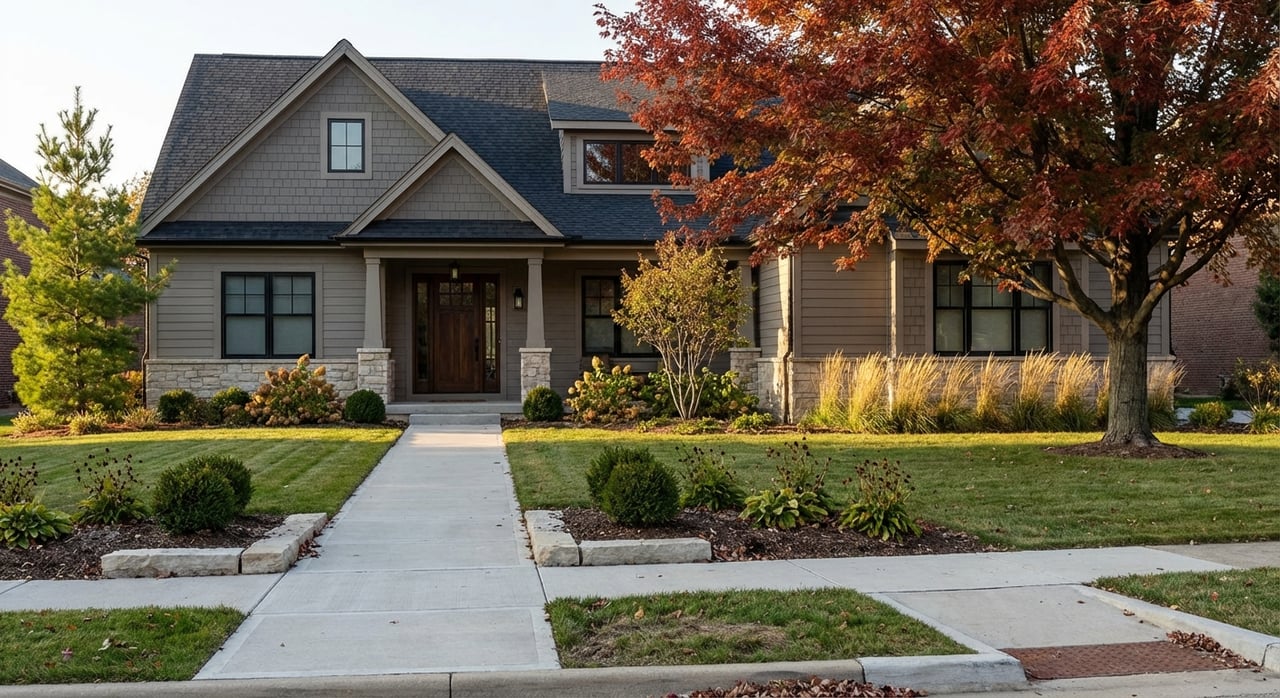
Curious what day-to-day life in Cranberry Township really feels like? You hear about new neighborhoods, busy shopping corridors, and quick highway access, but it helps to see how it all fits together. In this guide, you’ll learn about the housing styles and price points, parks and programs, retail hubs, schools, and commute realities so you can decide if Cranberry is the right move for you. Let’s dive in.
Cranberry snapshot
Cranberry Township sits in the North Hills of the Pittsburgh metro and has grown into a major suburban hub with a population of about 35,004 and strong economic fundamentals, including a median household income near $125,532 and a bachelor’s-or-higher rate around 65.2%. You can review these indicators on the township’s profile at Census QuickFacts. Beyond being a bedroom suburb, Cranberry also serves as a regional employment and retail center, with roughly 20,000 to 20,500 jobs and more people commuting in to work than commuting out, according to Wikipedia’s Cranberry Township overview. That mix creates a suburban lifestyle with plenty of nearby services and a steady daytime pulse.
Retail activity is significant for a community of this size, and total retail sales per capita run high for the region, according to QuickFacts. Owner-occupied housing accounts for about 76.1% of homes, which fits the area’s suburban profile. Together, these factors shape a community where you can handle daily errands close to home and enjoy robust municipal amenities.
Housing options and feel
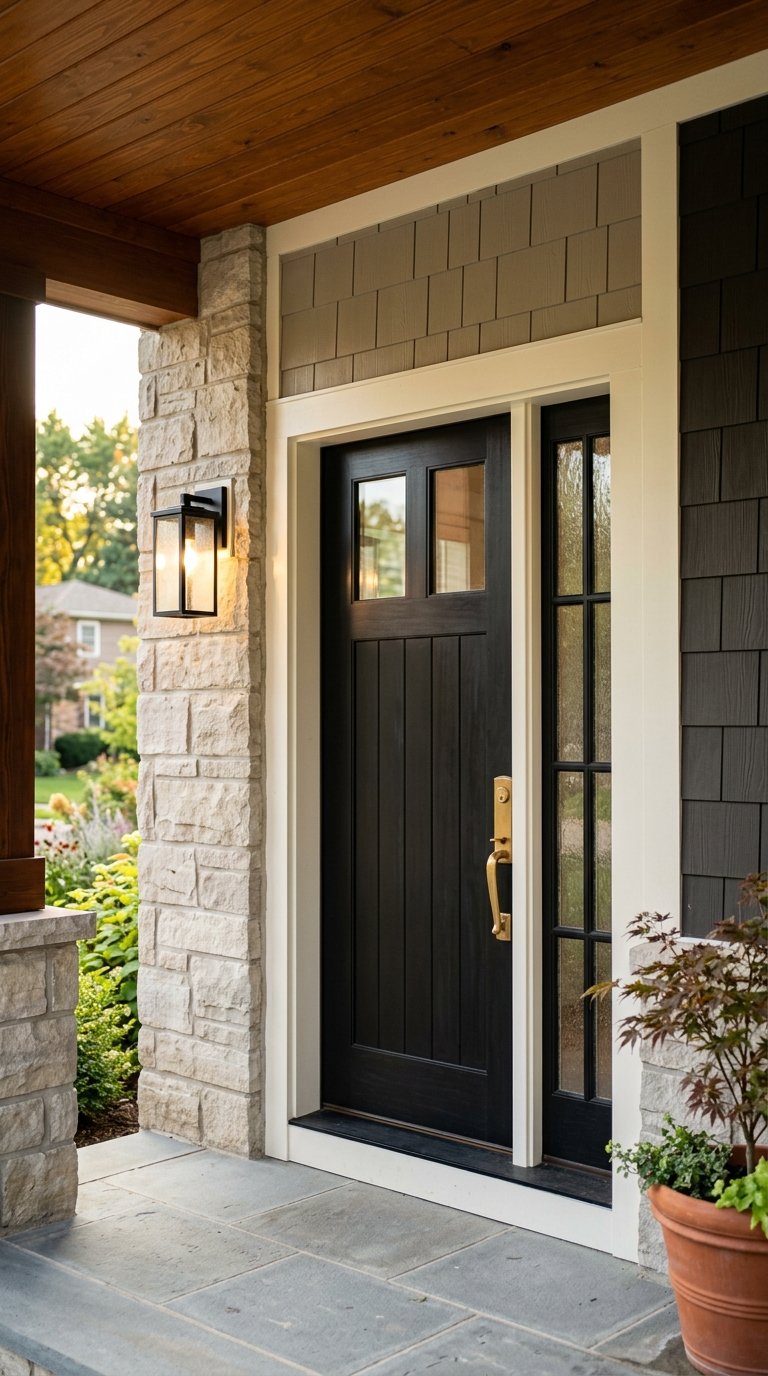
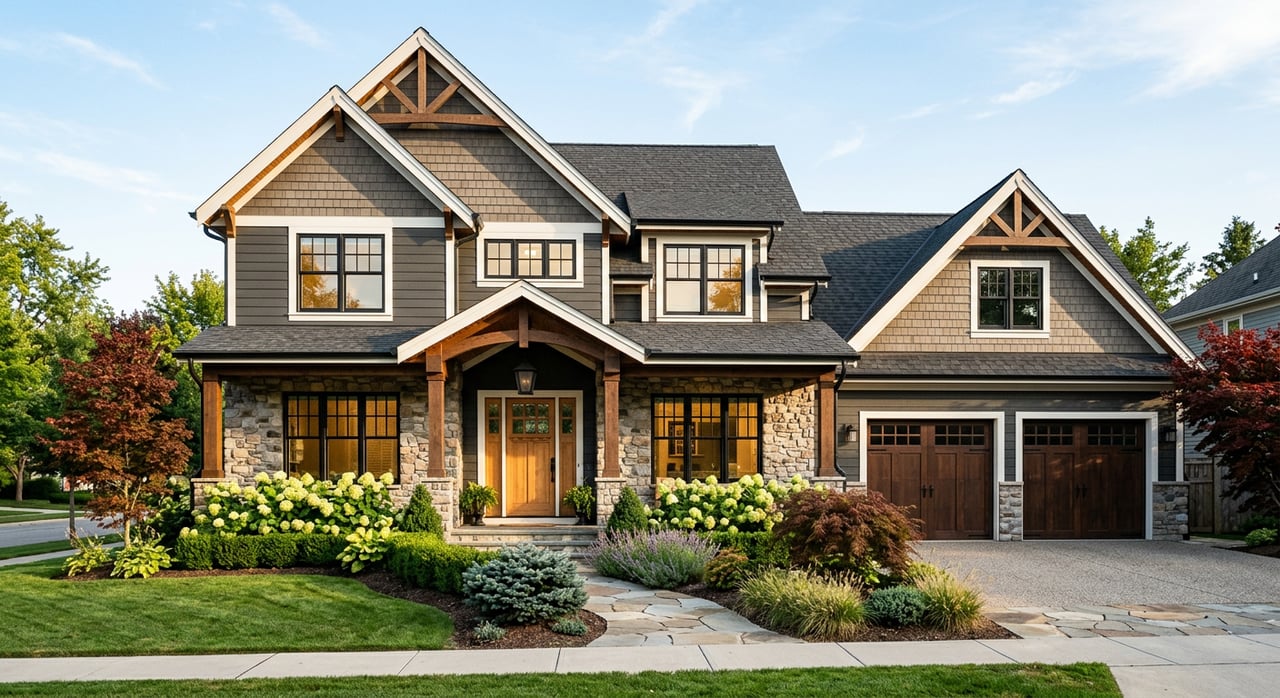
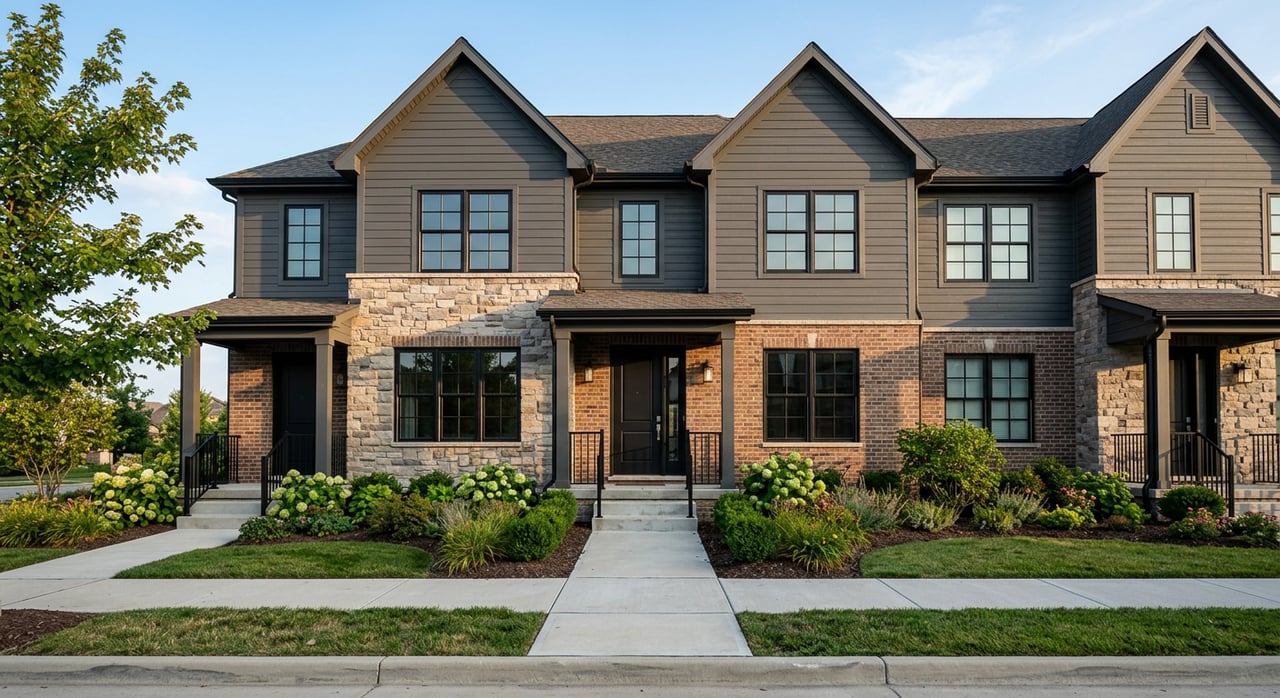
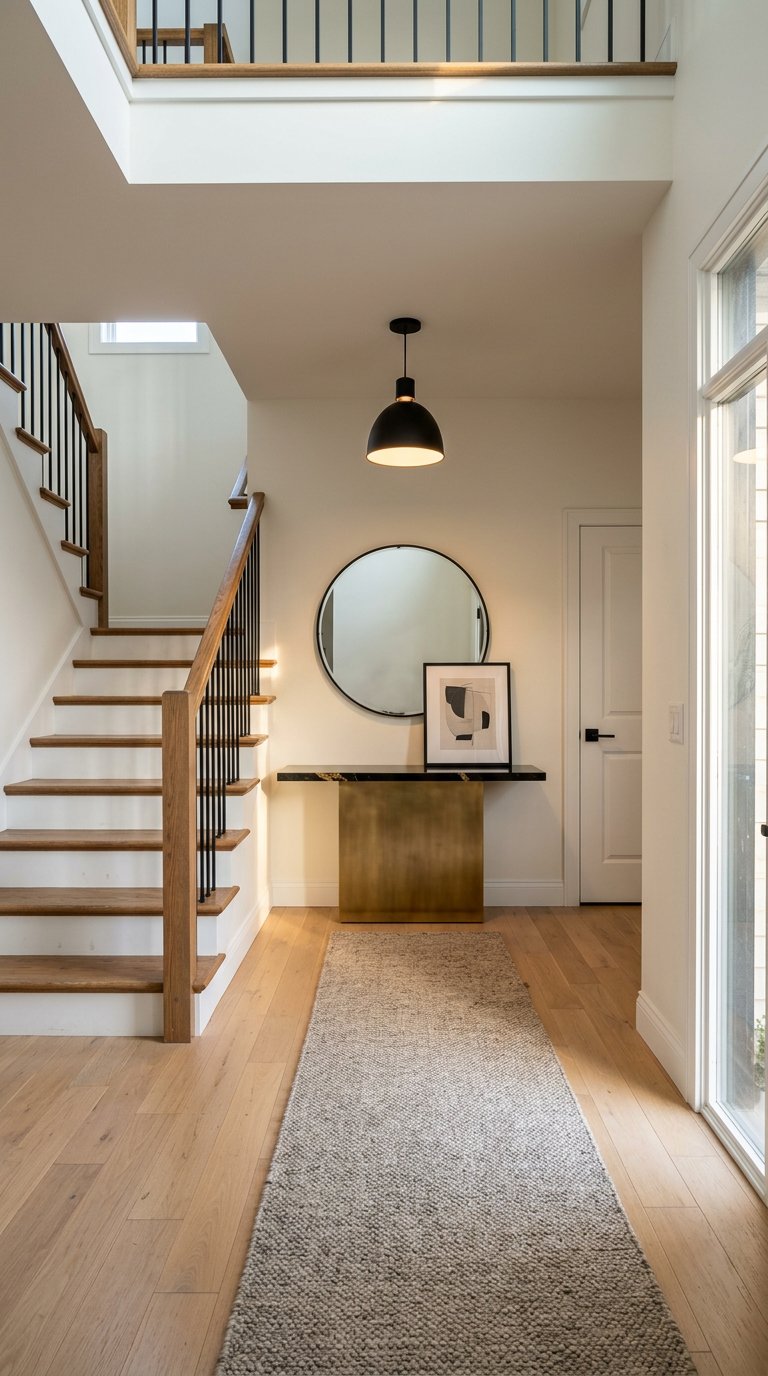
Cranberry’s housing stock is classically suburban. Single-family detached homes are most common, with townhomes and apartment communities available in select pockets. Many neighborhoods are builder-developed subdivisions featuring modern plans, colonial or craftsman-influenced facades, and community greens or trail connections.
Prices vary by neighborhood and product type. The median owner-occupied home value sits around $396,400 based on 2019–2023 ACS data in Census QuickFacts. Multiple market trackers in the 2024–2025 period placed median sold prices in the mid-to-high 400s, depending on location and features. Since township-wide numbers smooth out block-by-block differences, you’ll want fresh, property-specific comps before you write an offer or set a list price.
New construction choices
Cranberry continues to attract national and regional builders. You’ll find move-in-ready and to-be-built options in newer phases, often with neighborhood amenities like trails or small recreation nodes. If you are considering new construction, confirm HOA rules, fee structures, and any builder incentives that could affect your total cost and timeline.
Retail and daily convenience
Daily errands concentrate along Route 19 and around the Route 228, I‑79, and Turnpike interchanges. Big-box anchors make one-stop shopping easy, including a membership warehouse at Costco’s Cranberry location. These hubs draw residents from surrounding towns, so expect evening and weekend traffic near the main corridors. The upside is simple: you can handle groceries, home goods, and specialty stops without leaving the township.
Parks, programs, and things to do
Cranberry invests in public spaces. The township runs multiple parks, including Cranberry Park, North Boundary Park, and Graham Park, plus a community waterpark and the 18-hole Cranberry Highlands Golf Course. You can explore amenities and park maps through the Cranberry Township Parks & Recreation page.
Graham Park includes a Miracle League ballfield and an accessible playground, which are points of pride for the community. The Municipal Center houses the Cranberry Public Library, a popular hub with programs, meeting rooms, and makerspace resources. Warmer months bring township events and the Town Square Market on the Armstrong Great Lawn; the market’s summer return was covered by the Butler Eagle.
Schools and enrollment
Most of Cranberry is served by the Seneca Valley School District. School boundaries can be complex near municipal edges, so verify assignments for any specific address directly with the district. You can review district information and resources through the Seneca Valley annual report and district materials.
Commuting and connectivity
Highway access is a core part of Cranberry’s appeal. The Pennsylvania Turnpike (I‑76), I‑79, and I‑279 provide direct connections into Pittsburgh and across the region. The opening of I‑279 helped shorten the drive to downtown, and the ACS mean travel time to work in Cranberry is about 28.3 minutes, per Wikipedia’s Cranberry Township entry.
Overall, Cranberry is car-dependent. Walk Score shows low walkability ratings across much of the township, which means most residents rely on private vehicles for daily needs. If frequent transit or walkable streets are priorities, review the data on Walk Score’s Cranberry page and compare with closer-in North Hills communities.
Airport access
Frequent flyers enjoy straightforward airport access. Pittsburgh International Airport is roughly 22 miles from Cranberry by highway, which many residents cover in about 20 to 30 minutes depending on time of day. You can confirm the distance with Travelmath’s Cranberry-to-PIT calculator.
Is Cranberry right for you?
If you want newer suburban housing, strong community programs, and the ability to work either in-town or in Pittsburgh, Cranberry is a compelling choice. The parks system and seasonal events stand out, and shopping is simple thanks to concentrated retail corridors. If you prefer walkable streets and frequent transit, you may want to explore closer-in North Hills neighborhoods as a comparison.
Smart buyer and seller tips
- Match product type to your lifestyle. Single-family homes dominate, but newer townhomes near activity centers can offer lower maintenance without giving up space.
- For new construction, review builder specs, HOA rules, and warranty coverage. Ask about closing cost incentives and delivery timelines.
- For pricing, combine township-level medians with recent neighborhood comps. Condition, lot, and school assignment can shift value.
- Plan for commute patterns. Try your drive at typical rush times and expect retail-corridor traffic on weekends.
- Lean on expert representation. An advisor with negotiation strength and contract-level focus can help you navigate builder contracts, inspection issues, and appraisal questions with confidence.
Ready to explore homes, compare neighborhoods, or price your property for today’s market? Connect with Kelly Cheponis to get local guidance and negotiation backed by legal training. If you are selling, tap premium marketing and get your instant home valuation to start your strategy today.
FAQs
How much do homes cost in Cranberry Township?
- Township-level data shows a median owner-occupied value near $396,400 and recent trackers placed many sales in the mid-to-high 400s, but prices vary by neighborhood, features, and condition.
What is the commute to downtown Pittsburgh like from Cranberry?
- Typical one-way drives often land around the township’s mean of about 28 minutes, with traffic and route choice adding variability.
Is Cranberry Township walkable, or will I need a car?
- The area is generally car-dependent with low Walk Score ratings, so most errands require driving.
What parks and recreation are available in Cranberry?
- You’ll find multiple municipal parks, a community waterpark, an 18-hole municipal golf course, and accessible features like the Miracle League ballfield.
Which school district serves Cranberry Township?
- Much of the township is served by the Seneca Valley School District, and you should verify property-specific assignments with the district.
How far is the airport from Cranberry Township?
- Pittsburgh International Airport is about 22 miles away and typically a 20 to 30 minute drive, depending on traffic.